
Introduction
Fat loss can feel like a challenging journey, especially when you’re trying to figure out what to eat. Many people believe that skipping meals or following extreme diets is the key to burning fat, but this approach is rarely sustainable. A smarter and healthier solution is creating fat burning meal plans that help you shed excess weight while still enjoying your meals.
A well-structured meal plan is more than just a list of foods; it’s a strategy that balances nutrients, supports metabolism, and helps maintain energy levels throughout the day. Whether you are a beginner trying to lose your first few pounds or someone with intermediate experience aiming to refine your eating habits, understanding the basics of fat-burning nutrition is essential.
In this guide, you will learn what fat burning meal plans are, why they are important, and how to create a step-by-step plan tailored to your lifestyle. We’ll also cover common mistakes, potential risks, and expert tips to maximize your results. By the end, you will have a clear roadmap to plan your meals in a way that promotes fat loss naturally and effectively.
With the right approach, losing fat doesn’t have to mean feeling deprived or hungry all the time. Instead, it can be an enjoyable process that fuels your body, improves your health, and boosts confidence. Let’s dive in and explore how to create fat burning meal plans that really work.
What is Fat Burning Meal Plans?
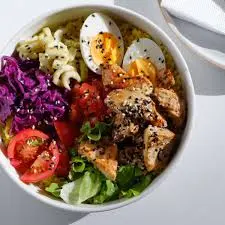
A fat burning meal plan is a structured eating schedule designed to help your body burn fat efficiently. It focuses on consuming foods that increase metabolism, reduce stored fat, and provide essential nutrients for overall health. Unlike crash diets, fat burning meal plans are balanced and sustainable.
These meal plans usually include a combination of:
- Lean proteins like chicken, fish, tofu, and eggs
- Healthy fats such as avocado, olive oil, nuts, and seeds
- Complex carbohydrates from whole grains, fruits, and vegetables
- Fiber-rich foods to promote fullness and regulate digestion
The goal is not just to cut calories but to encourage your body to use fat as a primary energy source. This approach often pairs well with regular physical activity, helping you achieve results faster.
Another key component of fat burning meal plans is meal timing. Eating at consistent intervals can support metabolism and prevent overeating. Many plans also suggest specific foods that are thermogenic, meaning they naturally help your body burn more calories during digestion.
In short, a fat burning meal plan is a practical, nutrition-based tool designed to help people lose weight safely and efficiently while providing enough energy to stay active and healthy.
Why is Fat Burning Meal Plans Important?
Following a fat burning meal plan offers multiple benefits beyond just weight loss. Understanding its importance can motivate you to stay consistent.
- Supports Sustainable Weight Loss
Many diets fail because they are too restrictive or extreme. Fat burning meal plans focus on balanced nutrition, helping you lose weight gradually and keep it off. - Boosts Metabolism
Eating the right combination of proteins, fats, and carbs can improve your metabolic rate, allowing your body to burn calories even while at rest. - Improves Energy Levels
When you fuel your body with nutrient-dense foods, you feel more energetic throughout the day, which can enhance your workouts and daily activities. - Reduces Cravings
A well-structured plan minimizes blood sugar spikes, reducing cravings for unhealthy snacks and helping you stay on track. - Enhances Overall Health
Fat burning meal plans typically include foods rich in vitamins, minerals, and antioxidants, supporting heart health, digestion, and immune function. - Supports Muscle Retention
Many weight loss methods result in muscle loss. Fat burning meal plans focus on protein-rich foods that preserve lean muscle mass while reducing fat.
By following a thoughtfully designed fat burning meal plan, you create a sustainable framework for healthy living rather than a temporary diet.
Detailed Step-by-Step Guide to Fat Burning Meal Plans
Creating an effective fat burning meal plan doesn’t have to be complicated. Follow these steps to build a plan tailored to your needs.
Step 1: Calculate Your Calorie Needs
Before planning meals, understand how many calories your body requires. Use a simple formula:
- Determine your Basal Metabolic Rate (BMR) – the calories your body burns at rest.
- Factor in your activity level to get Total Daily Energy Expenditure (TDEE).
- To lose fat, aim for a calorie deficit of 300–500 calories per day.
Step 2: Balance Macronutrients
Macronutrients are proteins, carbohydrates, and fats. A balanced ratio supports fat loss and energy:
- Protein: 25–35% of total calories
- Carbohydrates: 35–45% of total calories
- Fats: 20–30% of total calories
Protein is especially important for preserving muscle and boosting metabolism.
Step 3: Choose Fat-Burning Foods
Certain foods have properties that promote fat loss:
- Lean proteins: chicken breast, turkey, fish, tofu, eggs
- Healthy fats: olive oil, avocado, nuts, fatty fish
- Complex carbs: oats, quinoa, brown rice, sweet potatoes
- Fibrous vegetables: spinach, broccoli, kale, carrots
- Fruits: berries, apples, citrus fruits
Avoid highly processed foods, sugary drinks, and refined carbs as they can slow fat loss.
Step 4: Plan Meal Timing
Distribute meals evenly throughout the day to maintain energy and avoid overeating. Common strategies include:
- Three main meals + two snacks
- Breakfast within an hour of waking
- Balanced post-workout meal to support recovery
Step 5: Sample Fat Burning Meal Plan
Breakfast:
- Scrambled eggs with spinach and tomatoes
- Half an avocado
- Green tea
Snack:
- Greek yogurt with berries and a handful of almonds
Lunch:
- Grilled chicken breast
- Quinoa or brown rice
- Steamed broccoli and carrots
Snack:
- Sliced cucumber with hummus
- Herbal tea
Dinner:
- Baked salmon with lemon
- Sweet potato mash
- Mixed green salad with olive oil dressing
This plan is flexible and can be adjusted based on preferences or dietary restrictions.
Step 6: Track Your Progress
Keep a food journal or use an app to monitor your calorie intake, macronutrients, and weight changes. Adjust your plan as needed to continue seeing results.
Benefits of Fat Burning Meal Plans
Following a structured fat burning meal plan offers many benefits:
- Promotes steady and sustainable fat loss
- Preserves lean muscle mass
- Improves metabolic function
- Reduces cravings and overeating
- Increases energy levels
- Enhances heart health and digestion
- Encourages mindful eating habits
- Supports better sleep and hormonal balance
These benefits extend beyond physical appearance, positively affecting overall health and lifestyle.
Disadvantages / Risks

While fat burning meal plans are generally safe, there are potential drawbacks if not followed properly:
- Risk of nutrient deficiencies if meals are too restrictive
- Overemphasis on fat-burning foods may lead to monotony
- Rapid fat loss can sometimes cause fatigue or dizziness
- Ignoring personal dietary needs can result in poor adherence
- May not address underlying health conditions like thyroid issues
Consult a healthcare professional before making drastic changes, especially if you have medical conditions.
Common Mistakes to Avoid
To get the best results, avoid these common mistakes:
- Skipping Meals: Reduces energy and can slow metabolism.
- Overeating “Healthy” Foods: Even nutritious foods can lead to weight gain if portions are too large.
- Ignoring Protein: Protein is essential for muscle preservation and fat loss.
- Neglecting Fiber: Low fiber intake can cause hunger and digestion issues.
- Following Extreme Diets: Avoid fad diets that eliminate entire food groups.
- Not Hydrating Enough: Water is crucial for metabolism and appetite control.
- Expecting Immediate Results: Fat loss is gradual; patience is key.
Being mindful of these mistakes will help maintain a consistent and effective plan.
FAQs
1. Can fat burning meal plans work without exercise?
Yes, they can promote fat loss, but combining nutrition with regular exercise speeds up results and helps preserve muscle.
2. How many meals should I eat per day?
Most beginners do well with three main meals and one or two healthy snacks, but this can vary based on lifestyle and hunger levels.
3. Can I eat carbs on a fat burning meal plan?
Absolutely. Focus on complex carbs like oats, quinoa, and sweet potatoes instead of refined carbs.
4. Are fat burning meal plans suitable for vegetarians?
Yes, vegetarian options like tofu, legumes, quinoa, nuts, and seeds provide adequate protein and healthy fats.
5. How long should I follow a fat burning meal plan?
For sustainable results, follow it consistently while adjusting calories as you progress. Many people see noticeable results in 6–12 weeks.
6. Can I include cheat meals?
Yes, occasional cheat meals are fine if they are controlled. They can help prevent cravings and make the plan more sustainable.
7. How do I know if my meal plan is working?
Track your weight, body measurements, and energy levels. Adjust calories and food choices if progress stalls.
8. Is intermittent fasting compatible with fat burning meal plans?
Yes, combining intermittent fasting with a balanced meal plan can enhance fat loss, but make sure meals remain nutrient-rich.
Expert Tips & Bonus Points
- Prep meals in advance: Saves time and ensures you stick to your plan.
- Include spices like cayenne or turmeric: They can slightly boost metabolism.
- Drink green tea or black coffee: Can enhance fat-burning potential.
- Focus on whole foods: Minimize processed foods for better health and satiety.
- Prioritize sleep: Poor sleep can affect metabolism and hunger hormones.
- Mix workouts with nutrition: Strength training preserves muscle while burning fat.
- Adjust portions gradually: Avoid sudden, extreme calorie cuts.
- Stay consistent: Small, consistent changes yield better long-term results than quick fixes.
Conclusion
Creating effective fat burning meal plans is a sustainable way to lose weight while maintaining energy, muscle, and overall health. By understanding calorie needs, balancing macronutrients, choosing the right foods, and monitoring progress, anyone can develop a plan that works for their body and lifestyle.
The key to success is consistency and flexibility. A meal plan doesn’t have to be restrictive or boring; it should fuel your body, satisfy your hunger, and support your goals. Avoid common mistakes like skipping meals, neglecting protein, or expecting instant results. Instead, focus on gradual, manageable changes.
With a clear plan, patience, and commitment, fat burning meal plans can transform your approach to eating and lead to lasting results. Remember, this is not just about losing weight—it’s about creating a healthier, stronger, and more confident version of yourself.
By following these guidelines, beginners and intermediate readers alike can take control of their nutrition, boost metabolism, and enjoy the journey of fat loss without unnecessary stress or deprivation.