
Introduction
Taking care of your heart is one of the most important things you can do for your overall health. A healthy heart helps you live longer, feel more energetic, and reduces the risk of serious diseases. One of the easiest and most effective ways to protect your heart is by choosing the right foods. This heart healthy foods guide will show you how to eat in a way that supports your heart, strengthens your cardiovascular system, and keeps your blood pressure and cholesterol in check.
Many people think that eating for heart health is complicated or bland, but it doesn’t have to be. With simple adjustments to your daily diet, you can enjoy delicious meals while boosting your heart health. In this guide, we will explore what heart healthy foods are, why they matter, how to include them in your meals, and some expert tips to make it easy.
Whether you are a beginner looking to improve your lifestyle or someone with some knowledge about nutrition, this guide is designed to provide clear, practical advice. By the end, you will have a roadmap to choose foods that protect your heart, reduce risks of heart disease, and improve your overall well-being. Following this heart healthy foods guide can set you on a path toward a longer, happier, and healthier life.
What is Heart Healthy Foods?
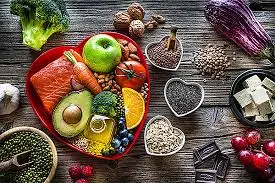
Heart healthy foods are foods that support the cardiovascular system and reduce the risk of heart disease. They are rich in nutrients like fiber, healthy fats, antioxidants, and vitamins that help maintain blood pressure, cholesterol, and artery health.
Some examples of heart healthy foods include:
- Fruits and vegetables: Provide fiber, vitamins, and antioxidants.
- Whole grains: Improve cholesterol levels and support heart function.
- Lean proteins: Such as fish, poultry, and legumes that are low in unhealthy fats.
- Healthy fats: Found in nuts, seeds, olive oil, and fatty fish, these fats can reduce inflammation and improve heart health.
These foods work together to protect your heart from damage, prevent blockages in arteries, and maintain overall cardiovascular function. Unlike fad diets that focus on temporary weight loss, eating heart healthy foods is a long-term strategy for a stronger, more resilient heart.
Why is Heart Healthy Foods Important?
Eating the right foods is crucial because heart disease is one of the leading causes of death worldwide. Poor eating habits, such as consuming too much processed food, sugar, and unhealthy fats, can increase the risk of high blood pressure, high cholesterol, and artery damage.
By focusing on heart healthy foods, you can:
- Lower cholesterol levels naturally
- Reduce high blood pressure
- Improve blood circulation
- Prevent plaque buildup in arteries
- Boost energy and mental clarity
Heart healthy foods not only protect your heart but also contribute to your overall health. They can help with weight management, reduce inflammation, improve digestion, and even support better sleep. Choosing these foods consistently creates a foundation for lifelong wellness.
Detailed Step-by-Step Guide to Heart Healthy Foods
Step 1: Include More Fruits and Vegetables
Fruits and vegetables are the cornerstone of heart health. They are packed with antioxidants, fiber, and essential nutrients.
Tips:
- Eat at least 5 servings per day
- Include colorful vegetables like spinach, carrots, and bell peppers
- Snack on fruits like berries, oranges, and apples
Step 2: Choose Whole Grains
Whole grains contain fiber and nutrients that help lower cholesterol and support heart health.
Examples:
- Oats, brown rice, quinoa, barley
- Whole grain bread and pasta
- Avoid refined grains like white bread and white rice
Tips:
- Swap white rice for brown rice
- Start your day with oatmeal topped with fruit and nuts
Step 3: Add Lean Proteins
Lean proteins support muscle health and reduce saturated fat intake.
Sources:
- Fish like salmon, tuna, and mackerel
- Skinless poultry
- Legumes such as lentils, chickpeas, and beans
- Tofu and tempeh
Tips:
- Eat fish at least twice a week for omega-3 fatty acids
- Limit red meat and processed meats
Step 4: Incorporate Healthy Fats
Not all fats are bad. Healthy fats help lower bad cholesterol and reduce inflammation.
Sources:
- Nuts: almonds, walnuts, cashews
- Seeds: flaxseed, chia, sunflower
- Olive oil and avocado
- Fatty fish for omega-3s
Tips:
- Replace butter with olive oil
- Use nuts as snacks instead of chips
Step 5: Reduce Sodium and Sugar
Too much salt and sugar can raise blood pressure and increase heart disease risk.
Tips:
- Avoid processed and packaged foods
- Use herbs and spices instead of salt
- Choose natural sweeteners like honey in moderation
Step 6: Drink Heart-Friendly Beverages
Beverages can also impact heart health.
Good choices:
- Water
- Green tea
- Fresh fruit juices without added sugar
- Limit soda and sugary drinks
Step 7: Practice Portion Control
Even healthy foods can contribute to weight gain if eaten in excess.
Tips:
- Use smaller plates to manage portions
- Follow recommended serving sizes
- Eat slowly and mindfully
Step 8: Plan Balanced Meals
A balanced meal supports heart health and energy levels.
Example:
- Breakfast: Oatmeal with berries and flaxseed
- Lunch: Quinoa salad with grilled chicken and vegetables
- Snack: A handful of walnuts or an apple
- Dinner: Baked salmon with steamed broccoli and brown rice
Benefits of Heart Healthy Foods
- Lowers risk of heart disease and stroke
- Improves cholesterol and blood pressure
- Helps maintain healthy weight
- Reduces inflammation
- Boosts energy and overall vitality
- Supports better digestion
- Enhances mental clarity and mood
Disadvantages / Risks
While heart healthy foods are beneficial, there can be risks if not balanced correctly:
- Overeating even healthy fats can lead to weight gain
- Some individuals may have allergies (nuts, seeds, fish)
- Excessive fiber without enough water can cause digestive issues
- Relying only on healthy foods without medical advice may not address serious heart conditions
Common Mistakes to Avoid

- Skipping vegetables: Vegetables provide essential nutrients; skipping them reduces benefits.
- Overconsuming healthy fats: Even good fats should be eaten in moderation.
- Ignoring portion sizes: Overeating any food can impact heart health.
- Relying on packaged “heart-healthy” foods: Many are high in sugar or sodium.
- Not drinking enough water: Hydration is key for blood flow and heart function.
- Neglecting physical activity: Food alone cannot maintain heart health; movement is crucial.
FAQs
1. Can heart healthy foods reverse heart disease?
Heart healthy foods can significantly reduce the risk of further heart damage and improve overall cardiovascular function. However, they may not completely reverse existing severe heart disease. Combining diet with medical treatment is essential.
2. How much fish should I eat for heart health?
Aim for at least two servings of fatty fish per week. Salmon, mackerel, and tuna are excellent choices because they provide heart-protective omega-3 fatty acids.
3. Are all fats bad for the heart?
No. Healthy fats, such as those from nuts, seeds, and olive oil, are beneficial. Avoid trans fats and limit saturated fats found in processed foods.
4. Can I eat heart healthy foods on a budget?
Yes. Frozen vegetables, canned beans, oats, and seasonal fruits are affordable and nutritious options that support heart health without breaking the bank.
5. Are supplements necessary for heart health?
Supplements can help if there are nutrient deficiencies, but the best source is whole foods. Focus on a balanced diet first. Omega-3 supplements may be helpful if you don’t eat fish.
6. Can heart healthy foods help with high blood pressure?
Absolutely. Foods rich in potassium, fiber, and healthy fats can help lower blood pressure naturally. Reducing salt and processed foods also plays a key role.
7. Is it too late to start eating heart healthy foods?
No. It’s never too late to improve your heart health. Even small dietary changes can make a significant difference over time.
8. Can children follow heart healthy foods too?
Yes. Heart healthy habits can start early. Include fruits, vegetables, whole grains, and lean proteins in their meals while keeping portions appropriate for their age.
Expert Tips & Bonus Points
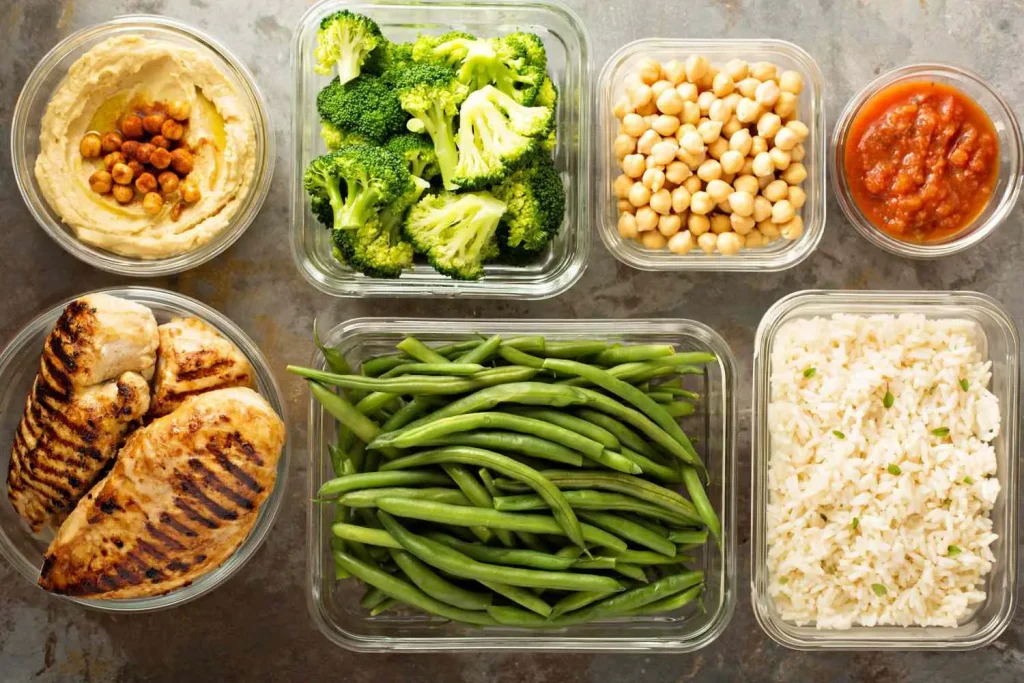
- Meal prep for success: Preparing meals in advance helps stick to heart healthy choices.
- Mix flavors: Herbs, spices, and citrus can make healthy foods tasty without extra salt.
- Snack wisely: Keep nuts, seeds, and fruits handy for healthy snacking.
- Mindful eating: Eat slowly and enjoy your food; this improves digestion and portion control.
- Regular checkups: Monitor blood pressure, cholesterol, and heart health to track progress.
- Combine diet with exercise: Walking, swimming, and strength training complement a heart healthy diet.
- Stay consistent: Long-term commitment beats short-term diets for real heart benefits.
Conclusion
Eating heart healthy foods is one of the most effective ways to protect your heart and improve overall wellness. By including fruits, vegetables, whole grains, lean proteins, and healthy fats in your daily diet, you can reduce your risk of heart disease, manage weight, and increase energy levels. Avoiding excessive sugar, sodium, and unhealthy fats is equally important.
This heart healthy foods guide provides a clear roadmap for beginners and intermediate readers to start making better choices today. Small, consistent changes, like swapping white bread for whole grains or snacking on nuts instead of chips, can lead to lasting improvements in heart health.
Remember, a strong heart is a key to a longer, happier life. Start implementing these tips, plan balanced meals, and embrace heart friendly habits. Over time, these choices will not only benefit your heart but also boost your overall quality of life. With commitment and mindful eating, a healthier heart is within reach for everyone.