
Introduction
If you are serious about fitness, nutrition plays a huge role in achieving your goals. One of the most effective ways to enhance energy, improve performance, and support muscle growth is by including high protein snacks for fitness in your daily diet. Many people struggle to get enough protein from main meals alone, especially if they are busy or on the go. This is where convenient, protein-rich snacks become invaluable.
High protein snacks for fitness are not only essential for building muscle but also for maintaining overall health. They help repair muscle tissues after intense workouts, keep you full for longer periods, and even support weight management. The best part is that these snacks are easy to prepare, require minimal ingredients, and can be enjoyed anytime, whether at work, at the gym, or while traveling.
In this guide, we will explore everything you need to know about high protein snacks for fitness. From understanding why protein is crucial, to step-by-step suggestions for making your own snacks, and expert tips for getting the most out of your protein intake, this article is designed to help beginners and intermediate fitness enthusiasts alike. By the end, you’ll have practical ideas and strategies to incorporate protein-rich foods into your lifestyle seamlessly.
What is High Protein Snacks for Fitness?
High protein snacks for fitness are foods specifically chosen or designed to provide a significant amount of protein in a convenient, quick-to-eat format. Protein is one of the three macronutrients, alongside fats and carbohydrates, and it plays a crucial role in building, repairing, and maintaining muscle tissues.
A high protein snack typically contains at least 10–20 grams of protein per serving, though the exact amount may vary depending on your fitness goals. These snacks can be both natural and processed but should ideally be low in added sugars, unhealthy fats, and artificial ingredients. Examples include Greek yogurt, protein bars, nuts, seeds, boiled eggs, and lean meat sticks.
The idea behind these snacks is not just to fill your stomach but to fuel your body efficiently. Unlike high-carb or sugary snacks, which provide short bursts of energy, protein snacks support long-term energy levels, muscle repair, and satiety. They can be eaten before workouts for fuel or after exercise to aid recovery.
Why is High Protein Snacks for Fitness Important?
Protein is vital for anyone active or working on fitness goals. Here’s why high protein snacks for fitness are a must:
- Muscle Growth and Repair: Intense workouts cause tiny tears in muscle fibers. Protein helps repair these tears and build stronger muscles.
- Increased Satiety: Protein keeps you feeling full longer, reducing unhealthy snacking and supporting weight management.
- Boosted Metabolism: Digesting protein burns more calories than carbs or fats, helping support metabolism.
- Energy for Workouts: While carbs provide quick energy, protein helps maintain steady energy levels, especially during long or intense training sessions.
- Convenience: Snacks like protein bars or nuts are portable and easy to consume, ensuring you get protein even with a busy schedule.
- Supports Overall Health: Protein is essential for hormone production, immune function, and repairing tissues beyond muscles.
Including high protein snacks for fitness ensures your body always has the building blocks it needs for peak performance, recovery, and overall wellness.
Detailed Step-by-Step Guide to Choosing and Making High Protein Snacks
To make the most of high protein snacks for fitness, it’s important to know how to select and prepare them. Below is a structured guide for beginners and intermediate fitness enthusiasts.
Step 1: Determine Your Protein Needs
Before choosing snacks, understand how much protein you need daily. General guidelines suggest:
- Sedentary adults: 0.8 g protein per kg of body weight
- Active adults: 1.2–2.0 g per kg of body weight
- Bodybuilders or strength athletes: 1.6–2.2 g per kg of body weight
For example, if you weigh 70 kg and exercise regularly, aim for 84–140 grams of protein daily. Snacks can contribute 20–30% of this total.
Step 2: Identify Your Snack Preferences
High protein snacks for fitness come in many forms:
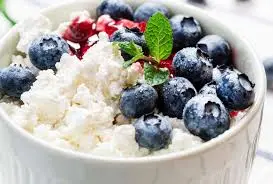
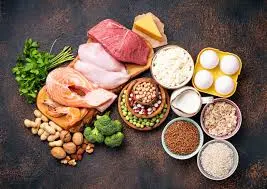
- Dairy-based: Greek yogurt, cottage cheese, cheese sticks
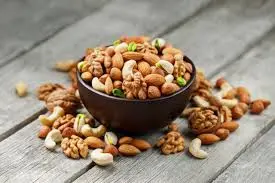
- Plant-based: Edamame, roasted chickpeas, nut butter
- Animal-based: Boiled eggs, beef jerky, turkey slices
- Convenience foods: Protein bars, shakes, powders
Choose snacks that fit your taste, dietary restrictions, and lifestyle.
Step 3: Balance with Other Nutrients
Protein is key, but balance is essential. Include:
- Healthy fats (nuts, seeds, avocado)
- Complex carbs (oats, whole grains, fruits)
- Fiber for digestion
For example, an apple with almond butter provides protein, fiber, and healthy fat.
Step 4: Prepping High Protein Snacks
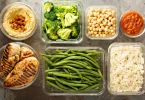
- Batch Prep: Boil a dozen eggs at once, portion nuts or seeds, or make protein bars in advance.
- Keep Portions in Mind: Pre-portion snacks to avoid overeating.
- Store Properly: Use airtight containers and refrigerate dairy or meat-based snacks.
Step 5: Timing Your Snacks
- Pre-workout: Choose snacks high in protein and moderate in carbs for energy (e.g., banana with peanut butter).
- Post-workout: Focus on protein plus carbs for recovery (e.g., protein shake with oats).
- Between Meals: Small protein-rich snacks help maintain energy and satiety.
Step 6: Sample Snack Ideas
Here are some easy, high protein snack options:
- Greek yogurt with berries and chia seeds
- Protein smoothie with spinach, banana, and protein powder
- Boiled eggs with a sprinkle of pepper
- Roasted chickpeas or edamame
- Cottage cheese with cucumber slices
- Turkey or chicken slices with whole-grain crackers
- Homemade protein bars with oats, nuts, and protein powder
Benefits of High Protein Snacks for Fitness
Incorporating these snacks consistently provides several benefits:
- Supports Muscle Growth: Repairs and builds muscle fibers after exercise.
- Enhances Recovery: Reduces soreness and speeds up recovery time.
- Helps Weight Management: Keeps you full longer, reducing cravings.
- Boosts Energy Levels: Provides steady energy without sugar crashes.
- Improves Metabolism: Increases calorie burn during digestion.
- Convenient and Portable: Easy to carry and consume anytime.
- Variety and Taste: Plenty of options for all taste preferences.
Disadvantages / Risks
While high protein snacks are beneficial, overdoing them or choosing poor-quality options can have drawbacks:
- Excess Calories: High-protein snacks with added sugar or fat can lead to weight gain.
- Digestive Issues: Too much protein may cause bloating or constipation in some people.
- Kidney Strain: People with pre-existing kidney conditions should monitor protein intake.
- Processed Snack Concerns: Some protein bars and powders contain additives, sugar, and artificial ingredients.
- Allergies: Nuts, dairy, or soy-based snacks may trigger allergies.
Moderation and careful selection are key to avoiding these risks.
Common Mistakes to Avoid
- Skipping Snacks Entirely: Relying only on main meals can limit protein intake.
- Overeating Processed Bars: Not all protein bars are healthy; check labels.
- Ignoring Fiber and Carbs: Protein alone won’t fuel workouts adequately.
- Not Timing Snacks Properly: Eating protein at the wrong time may reduce recovery benefits.
- Neglecting Variety: Relying on a single snack type can lead to nutrient gaps.
- Using Protein as a Meal Replacement Too Often: Snacks are supplements, not full meals.
FAQs About High Protein Snacks for Fitness
1. How much protein should I eat in each snack?
Aim for 10–20 grams per snack. This amount is sufficient to stimulate muscle repair without overloading your system.
2. Can I get high protein snacks from plant-based sources?
Yes. Nuts, seeds, edamame, lentils, chickpeas, and soy products provide excellent protein for vegetarians and vegans.
3. Are protein shakes as effective as solid snacks?
Protein shakes are convenient and effective, especially post-workout, but whole foods offer additional nutrients like fiber and healthy fats.
4. How often should I eat protein snacks?
1–3 times a day is ideal, depending on your total protein needs and meal frequency.
5. Will high protein snacks help me lose weight?
They can. Protein increases satiety, reduces cravings, and supports metabolism, which may aid weight management when combined with a balanced diet.
6. Are protein bars healthy for daily use?
Choose bars with minimal added sugar and high protein. They are convenient but should not replace whole-food sources regularly.
7. Can high protein snacks replace meals?
Occasionally, they can act as meal replacements, but relying solely on snacks can lead to nutrient deficiencies.
8. When is the best time to eat high protein snacks?
Pre- or post-workout, mid-morning, or mid-afternoon are ideal for energy, recovery, and hunger control.
Expert Tips & Bonus Points
- Rotate Snacks: Prevent taste fatigue and ensure a variety of nutrients.
- Combine Macronutrients: Pair protein with carbs and healthy fats for balanced energy.
- DIY Snacks: Homemade protein bars or energy bites control ingredients and sugar content.
- Hydrate: Protein digestion requires water, so stay hydrated.
- Read Labels Carefully: Check for added sugars, unhealthy fats, or excessive artificial additives.
- Track Protein Intake: Use apps or food diaries to ensure you meet your goals.
- Experiment with Timing: Some people benefit from protein before workouts, others after; find what works best for your body.
Conclusion
High protein snacks for fitness are more than just a convenience—they are a crucial part of any active lifestyle. Whether your goal is to build muscle, boost recovery, manage weight, or simply maintain steady energy throughout the day, these snacks provide a practical and effective solution. By understanding your protein needs, choosing the right snacks, and incorporating them at the right times, you can enhance your fitness results significantly.
From Greek yogurt and boiled eggs to protein bars and roasted chickpeas, there’s a wide range of delicious, easy-to-prepare options suitable for beginners and intermediate fitness enthusiasts. Remember, balance and variety are key. Include healthy fats, complex carbs, and fiber alongside protein to get the most out of your snacks.
Consistency is what matters most. Making high protein snacks a regular part of your daily routine ensures your body is always ready for performance, recovery, and growth. Start small, experiment with different options, and discover the snacks that energize you and support your fitness journey. In the end, a smart approach to snacking can make a noticeable difference in your health, performance, and overall results.