
Introduction
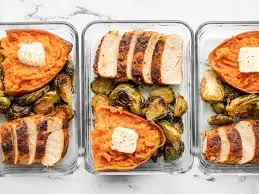
In today’s fast-paced world, eating healthy can feel like a challenge. Many people rely on fast food or skip meals entirely because they don’t have time to cook. However, with easy healthy meal prep ideas, you can save time, reduce stress, and stick to a nutritious diet without sacrificing taste. Meal prepping doesn’t have to be complicated or require hours in the kitchen. By spending a few hours each week planning, chopping, and cooking, you can ensure that your meals are ready to go for days.
Whether you are a beginner or have some cooking experience, meal prepping offers a practical solution for maintaining a healthy lifestyle. From breakfasts and lunches to snacks and dinners, there are countless ways to prepare meals that are both satisfying and good for your body. In addition, meal prepping can help you manage portion sizes, control calorie intake, and reduce food waste.
This article will guide you through everything you need to know about easy healthy meal prep ideas. You’ll learn what meal prepping is, why it’s important, how to get started step by step, and even expert tips to make the process more efficient. By the end, you’ll have a complete roadmap for creating healthy, delicious meals with minimal effort. Let’s dive in and make meal prep a simple, enjoyable part of your routine.
What is Easy Healthy Meal Prepe
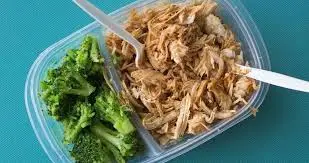
Meal prep refers to preparing your meals ahead of time, usually for a few days or a week. It involves planning your meals, chopping ingredients, cooking in bulk, and storing everything for easy access. The main goal is to make healthy eating convenient and sustainable.
Easy healthy meal prep focuses on meals that are simple to prepare, require minimal ingredients, and are balanced in nutrition. It emphasizes whole foods like vegetables, fruits, lean proteins, and whole grains. Unlike complicated meal plans, easy meal prep is designed to fit busy schedules while still supporting your health goals.
Some examples include:
- Pre-chopped vegetables stored in containers for quick salads.
- Cooked grains like rice or quinoa ready to mix with proteins.
- Mason jar salads that last several days in the fridge.
- Protein-packed snacks like boiled eggs or hummus with veggies.
By preparing your meals in advance, you eliminate the stress of deciding what to eat at the last minute. It also helps prevent unhealthy choices, such as fast food or sugary snacks, because your meals are already ready and convenient.
Why is Easy Healthy Meal Prep Important?
Meal prepping is more than just a time-saver. It offers several health and lifestyle benefits that make it an essential habit for anyone looking to eat well.
- Saves Time: Instead of cooking every day, you can spend a few hours once or twice a week prepping meals for the entire week.
- Supports Healthy Eating: Having ready-to-eat meals reduces the temptation to reach for junk food or fast food.
- Controls Portions: Meal prep allows you to measure servings and avoid overeating.
- Reduces Stress: Knowing your meals are planned and ready gives peace of mind during busy days.
- Saves Money: Buying ingredients in bulk and cooking at home is cheaper than eating out.
- Helps Track Nutrition: Prepping meals makes it easier to monitor calories, macros, and nutrients.
Overall, easy healthy meal prep is a practical approach for anyone wanting to maintain a balanced diet while managing a busy lifestyle. It’s not just about convenience—it’s about creating a sustainable habit that promotes long-term health.
Detailed Step-by-Step Guide
Step 1: Plan Your Meals
Planning is the first and most important step in meal prep. Without a plan, it’s easy to get overwhelmed or waste ingredients.
- Decide the Meals You’ll Prep: Choose which meals you want to prepare—breakfast, lunch, dinner, or snacks.
- Pick Simple Recipes: Focus on meals that are easy to cook and store well.
- Create a Grocery List: Write down all the ingredients you’ll need to avoid multiple trips to the store.
- Check Your Supplies: Make sure you have containers, ziplock bags, and utensils ready.
Step 2: Shop Smart
Buying the right ingredients is key to easy meal prep. Stick to whole foods and versatile items.
- Proteins: Chicken breast, turkey, lean beef, tofu, eggs, beans
- Vegetables: Broccoli, spinach, bell peppers, carrots, zucchini
- Fruits: Apples, berries, bananas, oranges
- Grains: Brown rice, quinoa, oats, whole wheat pasta
- Healthy Fats: Avocado, olive oil, nuts, seeds
Shopping in bulk can save money and reduce packaging waste. Don’t forget to check for seasonal produce for better taste and nutrition.
Step 3: Prep Ingredients
Once home, wash, chop, and portion ingredients. Doing this in one session saves time later.
- Vegetables: Chop or slice veggies and store in airtight containers.
- Fruits: Wash, cut, and portion fruits for snacks or breakfast.
- Proteins: Marinate meat or tofu and cook in bulk.
- Grains: Cook large batches of rice, quinoa, or pasta.
Step 4: Cook Efficiently
Batch cooking is key to easy healthy meal prep. Use simple cooking methods like:
- Oven roasting: Vegetables and proteins can cook together on a sheet pan.
- Stovetop cooking: Stir-fries and one-pot meals are quick and easy.
- Slow cooker / Instant Pot: Perfect for soups, stews, or shredded chicken.
Step 5: Store and Label Meals
Proper storage keeps your meals fresh and organized.
- Use airtight containers to keep meals fresh.
- Label each container with the date.
- Refrigerate meals for up to 4 days or freeze for longer storage.
- Store snacks separately for easy grab-and-go access.
Step 6: Reheat and Enjoy
Reheating is simple:
- Microwave meals for 2–3 minutes or until hot.
- Oven reheat for crispy textures.
- Add fresh toppings like herbs, avocado, or a squeeze of lemon for flavor.
Step 7: Repeat Weekly
Consistency is key. Set aside one or two days each week to meal prep. Over time, the process will become faster and more efficient.
Benefits of Easy Healthy Meal Prep
- Saves time and reduces cooking stress
- Helps maintain a balanced diet
- Controls portion sizes and reduces overeating
- Saves money compared to eating out
- Reduces food waste
- Promotes weight management and fitness goals
- Improves overall energy levels
- Encourages healthy cooking habits
Disadvantages / Risks
While meal prep is highly beneficial, there are some minor drawbacks to consider:
- Requires upfront time and planning
- Food can become repetitive if variety is not maintained
- Some meals may lose texture or taste when reheated
- Over-prepping can lead to food waste if meals aren’t eaten
- Requires proper storage to prevent spoilage
Common Mistakes to Avoid
- Skipping Planning: Not planning leads to wasted ingredients and time.
- Overcomplicating Recipes: Stick to simple meals for efficiency.
- Improper Storage: Use airtight containers and refrigerate promptly.
- Ignoring Portion Sizes: Prepping meals doesn’t automatically mean balanced portions.
- Forgetting Variety: Include different proteins, vegetables, and grains to prevent boredom.
- Neglecting Fresh Ingredients: Frozen or old produce may reduce taste and nutrients.
FAQs
1. How long can prepped meals last in the fridge?
Most meals last 3–4 days in the fridge if stored in airtight containers. Cooked proteins like chicken and turkey can last up to 4 days, while vegetables should be eaten within 3 days for freshness.
2. Can I freeze prepped meals?
Yes, many meals freeze well, such as soups, stews, and cooked grains. Use freezer-safe containers and label with dates. Frozen meals typically last 1–3 months.
3. Do I need special containers for meal prep?
No, standard airtight containers or mason jars work fine. Divide meals into portions to make reheating easy and convenient.
4. How do I make meal prep interesting?
Rotate proteins, vegetables, and spices each week. Use sauces or fresh herbs to add flavor without extra calories.
5. Is meal prep suitable for weight loss?
Absolutely. Meal prep helps control portions, track calories, and ensures you eat balanced meals consistently.
6. How much time does meal prep take?
Beginners may take 2–3 hours for a week’s worth of meals. With practice, it can be reduced to 1–2 hours.
7. Can vegetarians or vegans do meal prep?
Yes. Focus on plant-based proteins like beans, lentils, tofu, tempeh, nuts, and seeds. Include grains and plenty of vegetables for balanced nutrition.
8. What are the best breakfast meal prep ideas?
Overnight oats, chia pudding, egg muffins, and smoothie packs are easy to prepare and store.
Expert Tips & Bonus Points
- Invest in quality containers: Glass containers are durable and microwave-safe.
- Batch cook staples: Rice, quinoa, roasted vegetables, and grilled chicken can be mixed and matched.
- Use herbs and spices: They make meals more flavorful without adding calories.
- Double recipes: Cook once, eat twice. Freezing half saves time later.
- Prep snacks: Cut veggies, portion nuts, or make energy balls for on-the-go nutrition.
- Keep a meal prep calendar: Track what meals are ready and when to rotate ingredients.
- Incorporate seasonal produce: This keeps meals fresh, tasty, and cost-effective.
Conclusion
Easy healthy meal prep ideas are a game-changer for anyone looking to eat well while managing a busy lifestyle. With a little planning, smart shopping, and batch cooking, you can enjoy nutritious, flavorful meals every day without stress. Meal prepping saves time, reduces food waste, helps with portion control, and supports overall health.
Whether you are a beginner or an experienced cook, the key is consistency and simplicity. Start small with a few meals and gradually expand as you gain confidence. Remember, variety is important to prevent boredom, so rotate proteins, vegetables, and grains. Incorporate snacks, breakfast options, and easy-to-reheat dinners for a complete plan.
By following the step-by-step guide, avoiding common mistakes, and using expert tips, meal prepping can become a sustainable, enjoyable habit. Soon, you’ll notice not only the convenience but also the positive impact on your energy, health, and even budget. Make the commitment today, and discover how easy healthy meal prep ideas can transform the way you eat—and live.