
Introduction
Losing weight can feel overwhelming, especially with so many diets and meal plans available. But the key to successful weight loss isn’t starving yourself or following complicated rules—it’s eating healthy meals for weight loss that fuel your body, boost metabolism, and keep you satisfied. Whether you’re a beginner or have tried multiple diets before, understanding how to choose nutritious foods and balance your meals is essential.
Healthy meals don’t mean tasteless salads or boring food. They can be delicious, filling, and easy to prepare. By focusing on the right combinations of proteins, healthy fats, and carbohydrates, you can create meals that support your weight loss journey without feeling deprived.
In this article, we will guide you through everything you need to know about healthy meals for weight loss, including what they are, why they matter, step-by-step meal planning, benefits, risks, common mistakes, and expert tips. This comprehensive guide will help you make smarter choices in the kitchen and create a sustainable lifestyle that promotes weight loss naturally.
What is Healthy Meals for Weight Loss?

Healthy meals for weight loss are carefully planned dishes that provide the essential nutrients your body needs while reducing excess calories. These meals focus on whole, unprocessed foods that support metabolism, regulate blood sugar, and maintain muscle mass.
The main idea is balance. A typical healthy weight-loss meal includes:
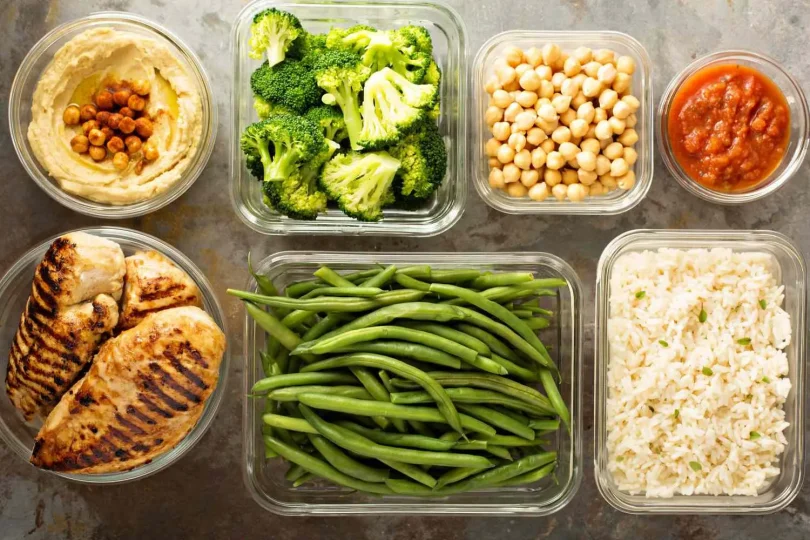
- Lean protein: Chicken, fish, tofu, or beans
- Complex carbohydrates: Brown rice, quinoa, oats, and whole grains
- Healthy fats: Avocado, nuts, seeds, and olive oil
- Fruits and vegetables: Packed with fiber, vitamins, and antioxidants
Healthy meals aren’t just about cutting calories—they’re about nourishing your body. When done correctly, they can reduce cravings, improve digestion, and make it easier to stick to a weight loss plan without feeling hungry or deprived.
Why is Healthy Meals for Weight Loss Important?
Eating healthy meals for weight loss is crucial for several reasons:
- Sustainable Weight Loss: Crash diets often lead to temporary results. Healthy meals provide long-term weight management.
- Boosts Energy: Proper nutrition keeps your energy levels stable throughout the day.
- Supports Metabolism: Balanced meals with protein and fiber help your body burn calories more efficiently.
- Improves Health: Reduces risk of heart disease, diabetes, and inflammation.
- Enhances Mood: A nutrient-rich diet can improve mental clarity and reduce stress.
Focusing on healthy meals allows your body to function optimally while gradually reducing body fat. Unlike fad diets, it promotes lifestyle changes rather than quick fixes, making it easier to maintain weight loss over time.
Detailed Step-by-Step Guide
Step 1: Plan Your Meals
Start by deciding how many meals you want per day. Most people do well with three main meals and one or two snacks. Planning helps prevent unhealthy choices when hunger strikes.
- Use a simple planner or app.
- Include protein, fiber, and healthy fats in every meal.
- Avoid skipping meals, as this can slow metabolism.
Step 2: Choose Lean Proteins
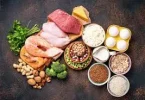
Proteins keep you full and help preserve muscle mass during weight loss. Include options like:
- Chicken breast, turkey, or lean beef
- Fish such as salmon, tuna, or cod
- Plant-based options: lentils, chickpeas, tofu, tempeh
- Eggs and low-fat dairy products
Aim for at least 20–30 grams of protein per meal.
Step 3: Include Healthy Carbohydrates
Not all carbs are bad. Choose complex carbohydrates that digest slowly:
- Brown rice, quinoa, or oats
- Sweet potatoes or whole-grain pasta
- Legumes and beans
These carbs provide energy and fiber, keeping you full longer.
Step 4: Add Healthy Fats
Healthy fats improve satiety and support hormone function. Include:
- Avocado slices on salads or toast
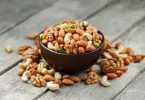
- Nuts like almonds, walnuts, or cashews
- Seeds like chia, flax, or pumpkin
- Olive oil for cooking or dressings
Keep portions moderate, as fats are calorie-dense.
Step 5: Eat Plenty of Vegetables
Vegetables are low in calories but high in nutrients and fiber. Aim for half your plate to be vegetables. Some options:
- Leafy greens: spinach, kale, arugula
- Cruciferous veggies: broccoli, cauliflower, cabbage
- Colorful veggies: peppers, carrots, tomatoes
Vegetables help with digestion and add volume to meals without extra calories.
Step 6: Watch Your Portions
Even healthy meals can lead to weight gain if portions are too large. Simple tips:
- Use smaller plates
- Measure grains and proteins until comfortable eyeballing
- Avoid second servings unless truly hungry
Step 7: Drink Water
Hydration is often overlooked. Water helps control appetite, boosts metabolism, and aids digestion. Aim for 8–10 glasses per day.
Step 8: Prepare Meals Ahead
Meal prep saves time and reduces temptation. Try:
- Batch cooking lean proteins and grains
- Pre-chopping vegetables
- Using airtight containers for easy grab-and-go meals
Meal prepping ensures you stick to healthy meals consistently.
Benefits of Healthy Meals for Weight Loss
Eating healthy meals for weight loss provides numerous benefits:
- Supports steady, sustainable weight loss
- Maintains muscle mass while losing fat
- Reduces sugar cravings
- Improves heart and digestive health
- Enhances energy and focus
- Boosts immune function
- Helps regulate blood sugar
- Encourages mindful eating habits
Disadvantages / Risks

While mostly beneficial, some risks exist if done incorrectly:
- Nutrient Deficiency: Cutting too many calories or food groups can cause vitamin/mineral shortages
- Overeating “Healthy” Foods: Nuts and oils are healthy but high in calories
- Boredom: Eating the same meals repeatedly may reduce adherence
- Expense: Fresh produce and lean proteins can be costly
Balance and variety are key to minimizing risks while enjoying the benefits.
Common Mistakes to Avoid
- Skipping Meals: Can slow metabolism and increase overeating later.
- Relying on Processed “Healthy” Foods: Low-fat or diet-labeled foods can still be high in sugar and additives.
- Ignoring Portion Sizes: Even nutritious foods can cause weight gain in large quantities.
- Eliminating Carbs Completely: Healthy carbs are essential for energy and satiety.
- Neglecting Hydration: Dehydration can be mistaken for hunger.
- Focusing Only on Food: Sleep, stress management, and physical activity are equally important.
FAQs
1. How many calories should I eat for weight loss?
Calories vary based on age, gender, activity level, and metabolism. A safe approach is reducing 500–700 calories per day to lose about 1 pound per week, but always prioritize nutrient-rich foods.
2. Can I eat out and still eat healthy meals for weight loss?
Yes! Choose grilled proteins, salads with olive oil, and whole-grain sides. Avoid fried foods and creamy sauces.
3. Are snacks allowed on a weight loss plan?
Absolutely. Healthy snacks like Greek yogurt, fruit, or nuts prevent overeating at main meals.
4. How soon will I see results?
Results depend on consistency, activity, and metabolism. Most people notice changes in 3–4 weeks with balanced meals.
5. Is it okay to have cheat meals?
Yes, occasional treats can improve adherence. The key is moderation, not guilt.
6. Can I lose weight without exercise if I eat healthy meals?
Yes, nutrition is the primary driver of weight loss. Exercise helps with metabolism, muscle preservation, and overall health but isn’t mandatory for initial weight loss.
7. Are smoothies considered healthy meals?
Smoothies can be healthy if made with whole fruits, vegetables, and protein sources. Avoid adding excess sugar or ice cream.
Expert Tips & Bonus Points
- Mix up your proteins: Rotating between animal and plant-based proteins ensures nutrient diversity.
- Use spices and herbs: They add flavor without extra calories.
- Track meals initially: Logging meals can help identify hidden calories and improve portion control.
- Focus on fiber: Fiber-rich foods keep you full and improve digestion.
- Mindful eating: Eat slowly, savor your food, and avoid distractions to prevent overeating.
- Batch prep snacks: Cut vegetables or portion nuts in advance to avoid impulsive eating.
- Combine with light exercise: Walking, yoga, or resistance training enhances results.
Conclusion
Creating healthy meals for weight loss is about balance, consistency, and choosing nutrient-dense foods that satisfy your hunger and support your metabolism. By focusing on lean proteins, complex carbohydrates, healthy fats, and plenty of vegetables, you can enjoy tasty, fulfilling meals while shedding excess weight.
Remember, sustainable weight loss isn’t about extreme diets or starving yourself—it’s about making small, lasting changes to your eating habits. Planning your meals, watching portions, staying hydrated, and avoiding common mistakes can transform your weight loss journey into a healthy, enjoyable lifestyle. With patience and consistency, healthy meals can become the foundation of your new, healthier self.
Start today by making one small change, like adding more vegetables to each meal or prepping proteins in advance. Over time, these habits will add up, helping you achieve your weight loss goals naturally and maintain them for life.