
Introduction
Home workouts without equipment have become one of the most popular ways to stay active and healthy. Many people want to exercise but feel limited by time, money, or access to a gym. This is where home workouts without equipment offer a simple and practical solution. You can train your body using only your own weight, right in your living room, bedroom, or even outside.
For beginners, starting a fitness routine can feel overwhelming. Gym machines, heavy weights, and complex programs often create fear or confusion. However, bodyweight training removes these barriers. It allows you to focus on basic movements that improve strength, balance, and endurance at your own pace. Intermediate readers can also benefit because these workouts can be adjusted to become more challenging.
Another reason home workouts without equipment are so effective is consistency. When you remove excuses like travel time or gym fees, it becomes easier to stay committed. You can work out early in the morning, during lunch breaks, or in the evening. Even short sessions can lead to real progress over time.
This guide is designed to help you understand, start, and improve your home fitness routine. It explains what these workouts are, why they matter, and how to perform them safely. You will also learn about benefits, risks, common mistakes, and expert tips. Whether your goal is weight loss, muscle tone, or better health, this article will help you build a strong foundation using simple home workouts without equipment.
What is Home Workouts Without Equipment?
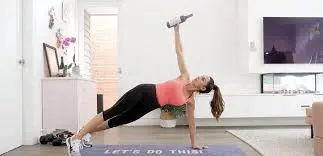
Home workouts without equipment refer to exercise routines that rely entirely on your body weight instead of machines or tools. These workouts use natural movements like pushing, pulling, squatting, and jumping to train different muscle groups.
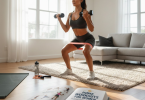
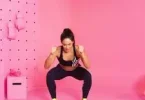
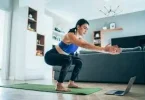
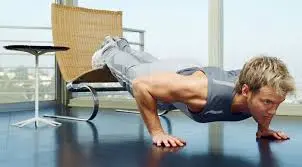
Examples include push-ups, squats, lunges, planks, and jumping jacks. These movements may look simple, but when done correctly, they can be very powerful. You can increase difficulty by changing speed, repetitions, or posture.
This type of training is often called bodyweight exercises at home. It focuses on functional strength, meaning it helps your body move better in daily life. You improve coordination, flexibility, and control while building muscle.
Home workouts without equipment are suitable for all fitness levels. Beginners can start with basic versions, while intermediate users can add variations to keep progressing. The key idea is to use what you already have: your body, gravity, and space.
Why is Home Workouts Without Equipment Important?
Home workouts without equipment are important because they remove common obstacles to fitness. Many people skip exercise due to lack of time, gym anxiety, or high costs. Bodyweight training solves these problems.
First, these workouts improve accessibility. Anyone can start regardless of age or experience. You do not need special clothing or memberships. This makes fitness more inclusive and realistic.
Second, they promote consistency. A no equipment workout routine is easier to maintain because it fits into daily life. Regular movement improves heart health, muscle strength, and mental well-being.
Third, these workouts teach body awareness. You learn how your body moves and where your limits are. This reduces injury risk and improves posture.
Finally, home fitness training builds discipline. When you rely on yourself instead of machines, you develop focus and motivation. Over time, this leads to lasting results and healthier habits.
Detailed Step-by-Step Guide
Step 1: Prepare Your Space
Choose a clean, flat area with enough room to move freely. Make sure the floor is not slippery. Wear comfortable clothing and supportive shoes if needed.
Step 2: Warm Up Properly
Warming up is essential before home workouts without equipment. Spend 5 to 10 minutes doing light movements such as arm circles, marching in place, or gentle stretches. This increases blood flow and reduces injury risk.
Step 3: Start with Basic Exercises
Begin with simple movements that target major muscles.
- Squats for legs and glutes
- Push-ups for chest and arms
- Planks for core strength
- Lunges for balance and legs
Perform each exercise slowly and focus on form.
Step 4: Create a Simple Routine
A basic routine may include:
- Squats – 12 reps
- Push-ups – 8 to 10 reps
- Lunges – 10 reps per leg
- Plank – 20 seconds
Repeat the circuit 2 to 3 times.
Step 5: Progress Gradually
As your strength improves, increase repetitions or add variations. For example, try jump squats or incline push-ups. Progression keeps your body challenged.
Step 6: Cool Down and Stretch
Finish with light stretching to relax muscles. This improves flexibility and reduces soreness.
Benefits of Home Workouts Without Equipment
- Improves strength and endurance
- Saves time and money
- Increases flexibility and balance
- Supports weight management
- Boosts mental health
- Suitable for all fitness levels
- Easy to modify and progress
Disadvantages / Risks
- Limited muscle isolation
- Progress may feel slower
- Risk of poor form without guidance
- Motivation may drop without structure
Common Mistakes to Avoid
One common mistake is skipping warm-ups. Cold muscles are more likely to get injured. Always prepare your body first.
Another mistake is rushing through exercises. Speed reduces effectiveness and increases risk. Focus on controlled movements.
Many people also ignore rest days. Recovery is important for muscle growth and overall health.
Finally, poor posture can lead to pain. Pay attention to alignment and breathing during every exercise.
FAQs
Can beginners do home workouts without equipment?
Yes, beginners can safely start with basic movements. Start slow and focus on form.
How often should I train at home?
Three to five times per week is ideal for most people.
Can I build muscle without equipment?
Yes, bodyweight training builds lean muscle through progressive overload.
Are home workouts effective for weight loss?
Yes, when combined with healthy eating and consistency.
How long should a session last?
Sessions can range from 20 to 45 minutes depending on goals.
Do I need a rest day?
Yes, rest days allow muscles to recover and grow stronger.
Expert Tips & Bonus Points

Focus on quality over quantity. Proper form leads to better results.
Track your progress by noting repetitions and time.
Mix cardio movements like jumping jacks with strength exercises.
Stay hydrated and maintain a balanced diet.
Listen to your body and adjust intensity when needed.
Conclusion
Home workouts without equipment offer a powerful and practical way to stay fit without complicated tools or expensive memberships. They are flexible, effective, and accessible to almost everyone. By using your own body weight, you can build strength, improve endurance, and support overall health.
For beginners, these workouts create a strong foundation without pressure. For intermediate users, they provide endless ways to progress and stay challenged. The key is consistency, proper form, and gradual improvement.
While there are some limitations, the benefits far outweigh the risks when workouts are done correctly. Simple routines performed regularly can lead to noticeable changes in energy, confidence, and physical ability.