
Introduction
Taking care of your heart is one of the most important steps you can take for your overall health. Eating heart-healthy foods is a great way to improve heart function, lower cholesterol levels, and prevent heart disease. The right foods can help keep your heart strong and reduce the risk of serious conditions like high blood pressure, stroke, and heart attacks.
In this heart-healthy foods guide, we will explore what heart-healthy foods are, why they matter, and how to incorporate them into your diet. Whether you’re new to heart health or looking to make smarter food choices, this guide is for you. With simple advice and practical steps, we will show you how to make heart-healthy eating a part of your daily routine.
What is a Heart Healthy Foods Guide?
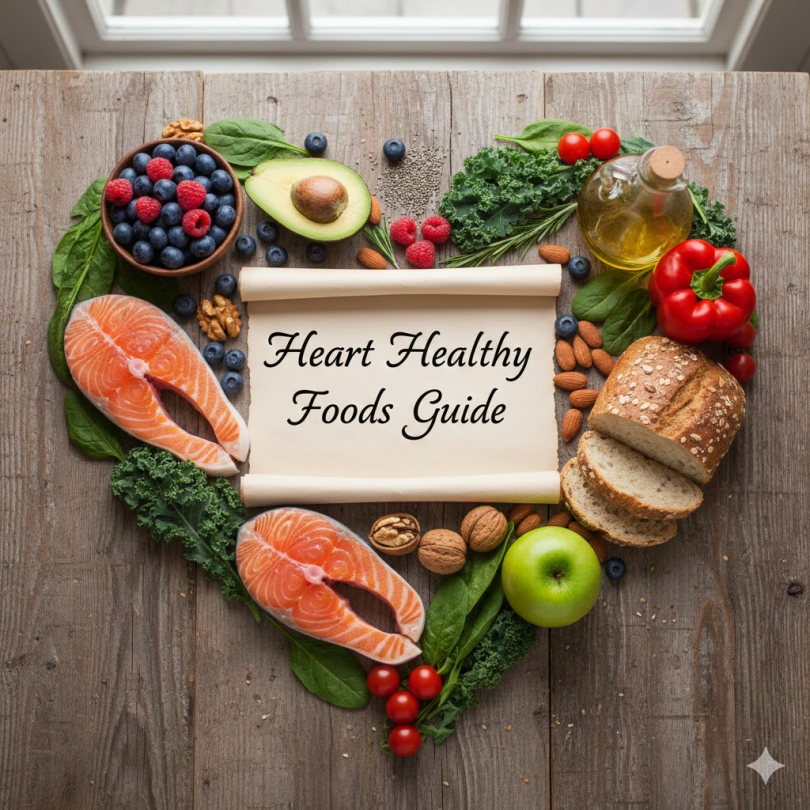
A heart-healthy foods guide is a practical resource that helps you identify and understand the foods that promote good heart health. These foods are typically rich in nutrients like fiber, healthy fats, and antioxidants, while being low in sodium, unhealthy fats, and added sugars. Heart-healthy foods are designed to lower the risk of cardiovascular diseases and support overall heart function.
The goal of a heart-healthy diet is to nourish your body with the right balance of nutrients that protect your cardiovascular system. By eating a variety of whole foods like fruits, vegetables, whole grains, lean proteins, and healthy fats, you can help maintain a healthy heart and reduce the chances of developing heart disease.
Why is a Heart Healthy Diet Important?
A heart-healthy diet is essential because heart disease is one of the leading causes of death globally. Poor dietary choices, like consuming too much processed food, unhealthy fats, and high levels of sodium, can increase the risk of heart disease. Over time, these habits can contribute to conditions like high blood pressure, high cholesterol, and diabetes—each of which can negatively affect heart health.
On the other hand, a heart-healthy diet can:
- Lower cholesterol levels
- Reduce blood pressure
- Improve blood sugar control
- Help maintain a healthy weight
- Support the function of the blood vessels and heart
- Reduce inflammation
By focusing on eating heart-healthy foods, you can prevent the buildup of plaque in your arteries and reduce the strain on your heart.
Detailed Step-by-Step Guide
1. Include More Fruits and Vegetables
Fruits and vegetables are rich in fiber, vitamins, and antioxidants that are beneficial for heart health. Aim for a variety of colorful fruits and vegetables to get the widest range of nutrients.
- Examples: Apples, oranges, berries, spinach, kale, broccoli, and bell peppers.
- Why it’s important: These foods are low in calories and high in nutrients, helping to improve circulation, lower blood pressure, and reduce cholesterol levels.
2. Choose Whole Grains Over Refined Grains
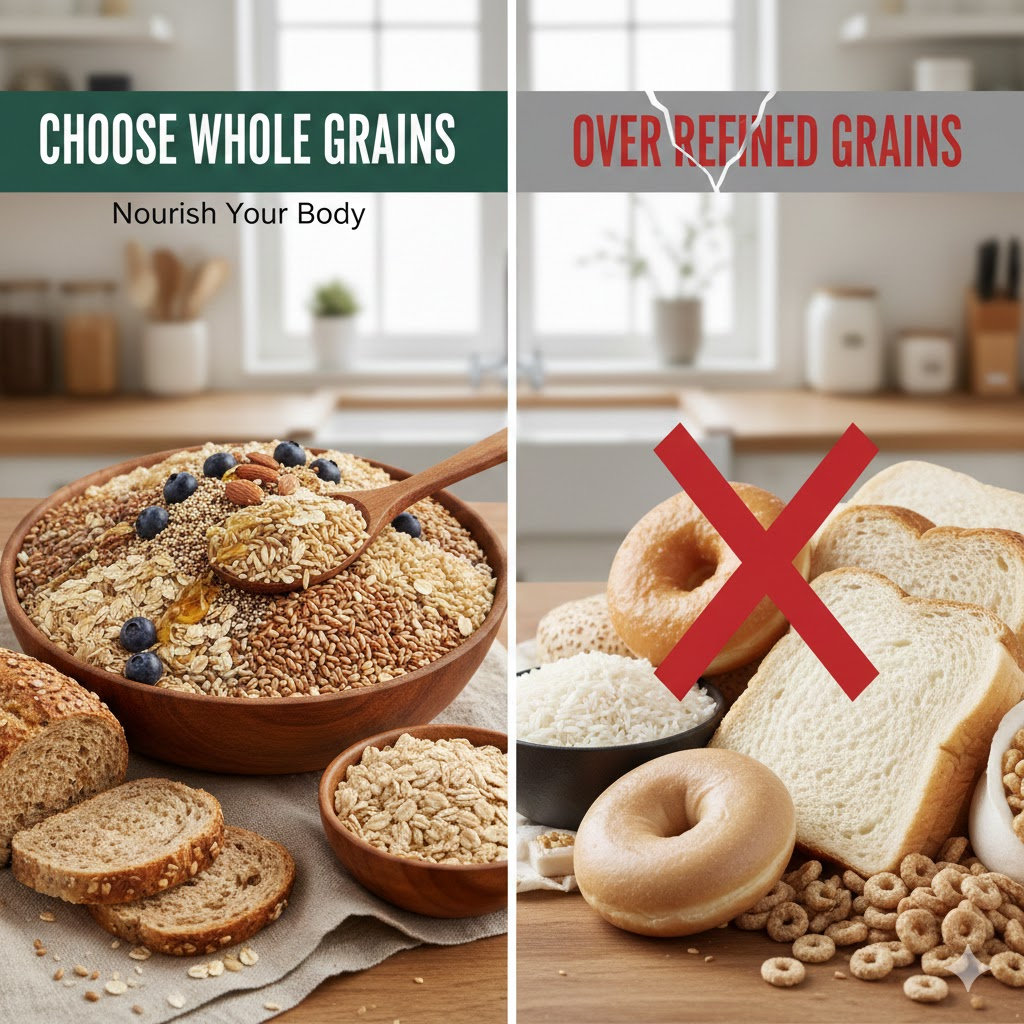
Whole grains like oats, brown rice, quinoa, and whole wheat are packed with fiber, which helps lower cholesterol and improve digestion.
- Examples: Whole wheat bread, brown rice, quinoa, and oats.
- Why it’s important: Whole grains are a great source of B vitamins and antioxidants, which can reduce inflammation and support heart health.
3. Incorporate Healthy Fats
Not all fats are bad. Healthy fats, such as monounsaturated and polyunsaturated fats, can actually help reduce the risk of heart disease. These fats are typically found in plant-based oils, nuts, seeds, and fatty fish.
- Examples: Olive oil, avocado, nuts (like almonds and walnuts), seeds, and fatty fish (such as salmon and mackerel).
- Why it’s important: Healthy fats can help reduce bad cholesterol levels (LDL) and increase good cholesterol levels (HDL), promoting heart health.
4. Opt for Lean Proteins
Lean protein sources are important for heart health because they provide essential nutrients without the extra saturated fats that can harm your cardiovascular system.
- Examples: Skinless poultry, fish, legumes, beans, and tofu.
- Why it’s important: Lean proteins can help manage your weight and reduce the risk of high cholesterol and high blood pressure.
5. Limit Sodium and Processed Foods
Excess sodium in your diet can raise your blood pressure and increase the strain on your heart. Processed foods, which often contain high amounts of sodium, should be limited.
- Examples to avoid: Fast food, canned soups, packaged snacks, and frozen meals.
- Why it’s important: By cutting down on sodium, you can help control your blood pressure, reducing the risk of heart disease and stroke.
Benefits of Heart Healthy Foods
- Reduces cholesterol levels: Foods high in fiber and healthy fats help lower LDL (bad cholesterol) and boost HDL (good cholesterol).
- Improves blood pressure: Potassium-rich foods, like fruits and vegetables, help manage blood pressure.
- Supports healthy blood sugar levels: Fiber helps regulate blood sugar levels and reduce insulin resistance.
- Boosts cardiovascular health: Antioxidants from fruits, vegetables, and whole grains protect against inflammation and oxidative stress.
- Maintains a healthy weight: Low-calorie, nutrient-dense foods help with weight management, which is crucial for heart health.
Disadvantages / Risks
While heart-healthy foods offer numerous benefits, there are some potential drawbacks to keep in mind:
- Overconsumption of healthy fats: Even though healthy fats are good for you, they are still calorie-dense. Overeating them can lead to weight gain.
- Cost of fresh, whole foods: Some heart-healthy foods, such as fresh fruits, vegetables, and fatty fish, can be expensive compared to processed alternatives.
- Time and effort in meal prep: Preparing heart-healthy meals from scratch may take more time than grabbing pre-packaged or processed foods.
Common Mistakes to Avoid
- Relying too heavily on low-fat or fat-free foods: Many low-fat or fat-free products replace fat with added sugars, which can contribute to weight gain and heart disease.
- Not reading food labels carefully: Even foods labeled as “heart-healthy” can contain added sugars, sodium, or unhealthy fats.
- Skipping meals: Skipping meals can lead to overeating later and poor food choices, negatively impacting heart health.
- Not getting enough variety: Eating the same heart-healthy foods all the time may mean missing out on other important nutrients.
FAQs
1. What are the best foods for a healthy heart?
The best foods for heart health include fruits, vegetables, whole grains, lean proteins, and healthy fats, such as olive oil, nuts, and fatty fish.
2. How can I reduce cholesterol naturally?
To reduce cholesterol, focus on eating high-fiber foods, such as fruits, vegetables, and whole grains, and include healthy fats like olive oil and nuts.
3. Is a plant-based diet good for heart health?
Yes, a plant-based diet is rich in fiber, antioxidants, and healthy fats, making it excellent for heart health.
4. Can I eat red meat on a heart-healthy diet?
Red meat can be consumed in moderation, but it’s best to choose lean cuts and limit processed meats like sausages and bacon.
5. How does salt affect heart health?
Too much salt raises blood pressure, which can increase the risk of heart disease and stroke. Reducing sodium intake can improve heart health.
6. Is alcohol good for heart health?
Moderate alcohol consumption, especially red wine, may have some heart health benefits, but excessive drinking can damage the heart.
Expert Tips & Bonus Points
- Meal Planning: Plan your meals in advance to make heart-healthy choices easier. Batch-cook healthy meals for the week to save time.
- Mindful Eating: Practice mindful eating by slowing down and savoring your food. This can help prevent overeating and improve digestion.
- Stay Active: Combine a heart-healthy diet with regular physical activity to further boost your cardiovascular health.
Conclusion
Adopting a heart-healthy diet is one of the most powerful steps you can take to protect your heart and improve your overall well-being. By focusing on nutrient-dense foods like fruits, vegetables, whole grains, lean proteins, and healthy fats, you can support your cardiovascular system, reduce your risk of heart disease, and enhance your quality of life. Remember to avoid common pitfalls, such as consuming too much processed food and not balancing your fats properly. With a little planning and mindful eating, you can enjoy a heart-healthy diet that is both delicious and nourishing.
By making these changes, you’re not only benefiting your heart but also your overall health. So start small, make gradual changes, and enjoy the long-term rewards of a healthier, stronger heart.