
Introduction
Staying fit no longer requires expensive gym memberships, long commutes, or complex machines. Today, more people are choosing home workouts that work because they are simple, flexible, and effective. Whether you are just starting your fitness journey or already have some experience, working out at home can help you reach your goals when done the right way.
Many beginners feel confused about where to start. Others try random exercises and quit when results do not show quickly. The truth is that home workouts can deliver real progress if they are planned properly and followed with consistency. You do not need fancy equipment or long workout sessions. What you need is the right approach, basic knowledge, and a positive mindset.
This article is designed for beginners and intermediate readers who want clear, practical guidance. You will learn what home workouts that work really mean, why they matter, and how to build a routine that fits your lifestyle. We will also cover benefits, risks, common mistakes, and expert tips to help you stay motivated.
By the end of this guide, you will understand how simple bodyweight exercises, smart scheduling, and steady progress can transform your fitness at home. Most importantly, you will feel confident enough to start and stay consistent without feeling overwhelmed.
What Is Home Workouts That Work?
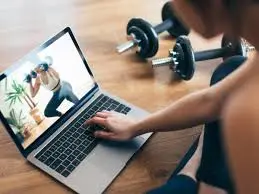
Home workouts that work are exercise routines done at home that deliver real, measurable results. These workouts focus on effectiveness rather than complexity. They use smart movements, proper form, and structured plans to improve strength, endurance, flexibility, and overall health.
Unlike random online routines, effective home workouts follow basic fitness principles. They include warm-ups, main exercises, and cool-downs. They also progress over time, meaning workouts become slightly more challenging as your body adapts.
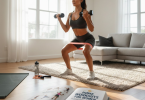
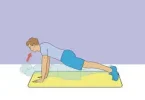
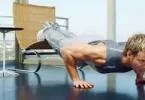
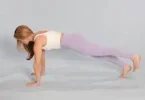
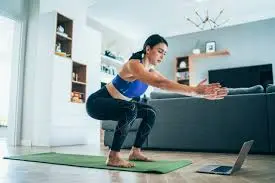
Home workouts that work often rely on bodyweight exercises such as squats, push-ups, lunges, and planks. Some routines may include simple equipment like resistance bands or dumbbells, but they are not required. The key is consistency and correct execution.
These workouts are suitable for all fitness levels. Beginners can start with simple movements, while intermediate users can increase intensity. When planned correctly, home workouts can be just as effective as gym sessions.
Why Is Home Workouts That Work Important?
Home workouts that work are important because they remove common barriers to fitness. Many people skip exercise due to lack of time, money, or confidence. Home workouts solve these problems in practical ways.
First, they save time. You can work out without traveling anywhere. This makes it easier to stay consistent, even with a busy schedule. Second, they are cost-effective. You do not need expensive memberships or equipment to stay active.
Another reason is comfort. Exercising at home allows you to move at your own pace without feeling judged. This is especially helpful for beginners who may feel nervous in gyms.
Home workouts that work also promote long-term habits. Since they fit easily into daily life, people are more likely to stick with them. Over time, this consistency leads to better health, improved energy, and stronger bodies.
Detailed Step-by-Step Guide
Step 1: Set Clear Fitness Goals
Start by deciding what you want to achieve. Your goals guide your workout plan and keep you motivated.
Examples include:
- Losing weight
- Building strength
- Improving flexibility
- Increasing stamina
Be realistic and specific. Clear goals make home workouts that work easier to follow.
Step 2: Create a Simple Schedule
Choose days and times that fit your routine. Consistency matters more than duration.
A simple plan could be:
- Three to five workouts per week
- Sessions lasting 20 to 40 minutes
Stick to your schedule as much as possible.
Step 3: Warm Up Properly
Warming up prepares your body and reduces injury risk.
A good warm-up includes:
- Arm circles
- Marching in place
- Light stretching
Spend five minutes warming up before every session.
Step 4: Choose Effective Exercises
Focus on compound movements that work multiple muscles.
Examples include:
- Squats
- Push-ups
- Lunges
- Planks
- Glute bridges
These exercises form the foundation of home fitness routines.
Step 5: Follow Proper Form
Correct form is essential for safety and results. Move slowly and focus on control.
If needed, practice in front of a mirror. Quality always beats quantity.
Step 6: Progress Gradually
As exercises become easier, increase difficulty.
You can:
- Add more repetitions
- Increase sets
- Slow down movements
Gradual progress keeps home workouts that work effective.
Step 7: Cool Down and Stretch
End each workout with stretching to relax muscles.
Hold stretches for 20 to 30 seconds and breathe deeply.
Benefits of Home Workouts That Work
- Save time and money
- Improve strength and endurance
- Support weight management
- Increase flexibility and mobility
- Reduce stress and boost mood
- Fit easily into daily life
- Encourage long-term consistency
Disadvantages / Risks
- Limited equipment options
- Distractions at home
- Risk of poor form without guidance
- Motivation can drop over time
- Progress may feel slower initially
Common Mistakes to Avoid
One common mistake is doing too much too soon. Beginners often push hard and get discouraged or injured. Start slow and build gradually.
Another mistake is skipping warm-ups and cool-downs. This increases injury risk and slows recovery.
Many people also lack structure. Random workouts lead to uneven progress. Follow a simple plan instead.
Poor form is another issue. Focus on technique, not speed or repetitions.
Finally, inconsistency holds people back. Even short, regular workouts are better than long, rare sessions.
FAQs
Are home workouts that work suitable for beginners?
Yes, they are ideal for beginners. You can start with simple bodyweight exercises and progress slowly as your strength improves.
How often should I do home workouts?
Most people benefit from three to five sessions per week. Rest days are important for recovery.
Can I build muscle with home workouts?
Yes, muscle can be built using bodyweight exercises and progressive overload. Consistency is key.
Do I need equipment for effective home workouts?
No equipment is required. However, simple tools like resistance bands can add variety later.
How long before I see results?
Many people notice improvements in energy and strength within a few weeks. Visible changes usually appear after consistent effort.
What if I feel unmotivated?
Set small goals, track progress, and remind yourself why you started. Variety also helps maintain interest.
Expert Tips & Bonus Points
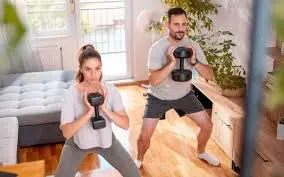
Focus on mastering basics before adding complexity. Strong foundations lead to better results.
Track your workouts in a notebook or app. This builds accountability and shows progress.
Mix strength and mobility exercises for balanced fitness.
Listen to your body. Rest when needed and avoid pushing through pain.
Celebrate small wins. Progress builds confidence and motivation.
Conclusion
Home workouts that work are not about perfection or extreme effort. They are about smart planning, consistency, and patience. With the right mindset, anyone can achieve real fitness results without leaving home.
By setting clear goals, following a simple routine, and focusing on proper form, you can build strength and confidence over time. Home workouts fit easily into modern lifestyles, making them a practical choice for beginners and intermediate fitness enthusiasts alike.
Remember that progress is not always fast or visible at first. Small improvements add up when you stay consistent. Avoid common mistakes, listen to your body, and keep learning as you go.