
Introduction
Learning how to build muscles at home is one of the most practical fitness goals today. Many people want to get stronger, look better, and feel healthier without spending money on a gym membership. The good news is that building muscle at home is not only possible, but also effective when done the right way. You do not need fancy equipment, large spaces, or complicated routines to see real results.
For beginners, starting at home feels safer and less intimidating. For intermediate fitness enthusiasts, home workouts offer flexibility and consistency. With the right plan, you can train every major muscle group using your body weight, simple tools, and smart techniques. What truly matters is understanding how muscles grow, how to train them properly, and how to support them with good nutrition and recovery.
This guide will walk you step by step through how to build muscles at home using proven methods that work. You will learn what muscle building really means, why it is important for overall health, and how to structure your workouts for steady progress. We will also cover common mistakes, risks, and expert tips to help you stay on track.
Whether your goal is to gain strength, improve body shape, or boost confidence, this article is designed to help you succeed. Everything is explained in simple English, with clear examples and practical advice you can use right away. If you stay consistent and patient, your home can become the best place to build a strong and healthy body.
What Is Building Muscles at Home?
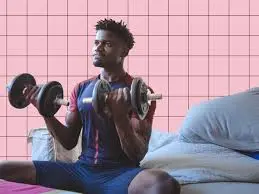
Building muscles at home means increasing muscle size and strength through exercises performed in your living space without gym machines. This process focuses on resistance training, where muscles work against force to grow stronger over time.
When you exercise, tiny muscle fibers experience stress. During rest, your body repairs these fibers, making them thicker and stronger. This process is called muscle hypertrophy. You can trigger it using bodyweight exercises, resistance bands, dumbbells, or even household items.
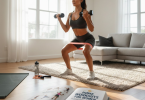
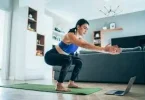
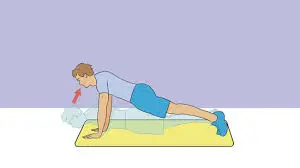
A home workout for muscle gain usually includes movements like push-ups, squats, lunges, planks, and pull variations. These exercises target multiple muscle groups and improve coordination. With proper progression, your muscles continue to adapt and grow.
Understanding how to build muscles at home also means knowing the importance of nutrition, sleep, and consistency. Muscle growth does not happen overnight. It is a gradual process that rewards discipline and smart training choices.
Why Is Building Muscles at Home Important?
Building muscle at home is important for both physical and mental health. Strong muscles support your joints, improve posture, and reduce the risk of injuries in daily life.
Muscle-building at home also boosts metabolism. More muscle means your body burns more calories even at rest. This helps with weight management and long-term health.
From a mental perspective, regular workouts reduce stress and increase confidence. Seeing progress in strength and appearance creates motivation and a sense of achievement.
Another key benefit is convenience. You save time and money by training at home. There are no excuses related to travel, weather, or crowded gyms. This makes it easier to stay consistent, which is the most important factor in muscle growth.
Detailed Step-by-Step Guide
Step 1: Set Clear Muscle-Building Goals
Before starting, decide what you want to achieve. Clear goals keep you focused and motivated.
Examples of goals include:
- Gaining overall muscle mass
- Strengthening specific areas like arms or legs
- Improving endurance and strength together
Write your goals down and make them realistic. This helps track progress and adjust your routine.
Step 2: Create a Structured Home Workout Plan
A structured plan is essential when learning how to build muscles at home. Random workouts lead to slow results.
Your plan should include:
- Workout days per week
- Target muscle groups
- Rest days for recovery
For beginners, three to four workout days are enough. Intermediate readers can train four to five days weekly.
Step 3: Focus on Bodyweight Exercises
Bodyweight exercises are the foundation of muscle building at home. They use your own weight as resistance.
Effective exercises include:
- Push-ups for chest and arms
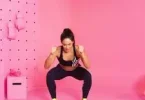
- Squats for legs and glutes
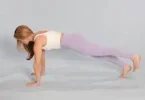
- Planks for core strength
- Lunges for balance and leg power
Perform each exercise with proper form to avoid injury and maximize muscle activation.
Step 4: Apply Progressive Overload
Progressive overload means gradually increasing difficulty. Muscles grow only when challenged.
You can apply this by:
- Increasing repetitions
- Adding more sets
- Slowing down movement
- Reducing rest time
This principle is key to a successful home workout for muscle gain.
Step 5: Train All Major Muscle Groups
Balanced training prevents weakness and injuries. Make sure you work:
- Chest and shoulders
- Back and arms
- Legs and glutes
- Core muscles
Full-body workouts are great for beginners. Split routines work well for intermediate levels.
Step 6: Maintain Proper Nutrition
Nutrition supports muscle repair and growth. Without proper fuel, progress slows down.
Focus on:
- Protein-rich foods
- Complex carbohydrates
- Healthy fats
- Adequate water intake
Eating balanced meals helps muscles recover faster and grow stronger.
Step 7: Prioritize Rest and Recovery
Muscles grow during rest, not during workouts. Recovery is essential.
Ensure:
- 7 to 8 hours of sleep
- Rest days between intense workouts
- Light stretching or mobility exercises
Ignoring recovery can lead to burnout or injury.
Benefits of Building Muscles at Home
- Improves overall strength and endurance
- Enhances body shape and posture
- Saves time and money
- Boosts metabolism and energy levels
- Increases confidence and mental well-being
- Offers flexible workout schedules
Disadvantages and Risks
- Limited equipment may slow progression
- Poor form can cause injuries
- Lack of motivation when training alone
- Overtraining due to no guidance
Being aware of these risks helps you plan smarter and stay safe.
Common Mistakes to Avoid

One common mistake is skipping warm-ups. Cold muscles are more prone to injury.
Another error is training without a plan. Consistency matters more than intensity.
Many people also ignore nutrition, expecting workouts alone to build muscle. This leads to slow results.
Overtraining is another issue. Muscles need rest to grow. More is not always better.
Finally, comparing yourself to others can kill motivation. Focus on your own progress.
FAQs
Can beginners really build muscle at home?
Yes, beginners can build muscle at home effectively. Bodyweight exercises are enough to stimulate muscle growth when done correctly and consistently.
How long does it take to see results?
Most people notice strength improvements within two to three weeks. Visible muscle changes usually appear after six to eight weeks.
Do I need equipment to build muscles at home?
No, equipment is optional. Bodyweight exercises work well. Simple tools can help later.
How many times should I work out each week?
Beginners should train three to four times per week. Intermediate levels can handle four to five sessions.
Is diet important for muscle growth?
Yes, diet is crucial. Without proper nutrition, muscles cannot recover or grow efficiently.
Can I lose fat and build muscle at the same time?
Yes, with proper training and balanced nutrition, beginners often experience both fat loss and muscle gain.
Expert Tips and Bonus Points
Focus on quality over quantity. Proper form gives better results than high repetitions.
Track your workouts. Writing progress keeps you motivated and accountable.
Stay patient. Muscle building is a long-term process.
Use mirrors or videos to check your form.
Stay hydrated and stretch regularly to improve recovery.
Conclusion
Understanding how to build muscles at home empowers you to take control of your fitness journey. You do not need expensive gyms or complex machines to develop strength and confidence. What you need is knowledge, consistency, and a willingness to improve step by step.
Home workouts offer flexibility and comfort, making it easier to stay committed. By following a structured plan, focusing on bodyweight exercises, and applying progressive overload, you can achieve impressive results over time. Nutrition and recovery play just as important a role as training, so never ignore them.
Both beginners and intermediate readers can benefit from building muscle at home. The key is to start at your own level and progress safely. Avoid common mistakes, listen to your body, and celebrate small victories along the way.
Muscle building is not just about appearance. It improves health, boosts energy, and builds discipline. When done correctly, it becomes a sustainable lifestyle habit rather than a short-term goal.