
Introduction
Finding snacks that are both tasty and low in calories can feel challenging, especially if you’re trying to maintain or lose weight. Many people turn to packaged snacks without realizing they often contain hidden sugars, unhealthy fats, and empty calories. That’s why having a well-prepared low calorie snacks list can make a huge difference in your daily diet.
This guide will help beginners and intermediate health enthusiasts understand how to choose smart snacks that satisfy hunger without sabotaging your goals. Low-calorie snacks are not just about eating less; they are about eating smarter. They can provide essential nutrients, keep your energy levels stable, and even improve your metabolism.
Whether you need something quick at work, a mid-day energy boost, or a light snack before exercise, the right choices can make snacking enjoyable and guilt-free. In this article, you’ll discover exactly what constitutes low-calorie snacks, why they’re important, step-by-step tips for picking the best options, and even some expert insights. By the end, you’ll have a go-to low calorie snacks list that can transform your approach to healthy eating.
What is Low Calorie Snacks?
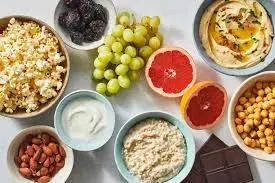
Low-calorie snacks are foods that contain fewer calories per serving compared to regular snacks, while still providing essential nutrients or satisfying your hunger. Typically, a low-calorie snack ranges from 50 to 200 calories, depending on the type and portion size.
These snacks often include fruits, vegetables, whole grains, and lean proteins. Unlike processed snacks high in sugar and fat, low-calorie options are naturally nutrient-dense. They are designed to satisfy cravings without contributing to weight gain.
Some common examples include:
- Fresh fruits like apples, berries, or oranges
- Raw vegetables with light dips
- Low-fat yogurt
- Air-popped popcorn
- Nuts in small portions
Low-calorie snacks are not only about quantity but also about quality. Eating the right snacks can help you control your appetite, reduce overeating during main meals, and maintain a healthy lifestyle.
Why is Low Calorie Snacks Important?
Snacking is a natural part of daily life, but not all snacks are created equal. Choosing unhealthy options can lead to:
- Weight gain
- Blood sugar spikes
- Fatigue and energy crashes
On the other hand, consuming low-calorie snacks offers numerous advantages:
- Supports Weight Management – By keeping your calorie intake in check, you can better manage your weight.
- Maintains Energy Levels – Low-calorie snacks provide steady energy without causing sudden sugar crashes.
- Improves Nutrient Intake – Many low-calorie snacks are rich in vitamins, minerals, and fiber.
- Reduces Cravings – Healthy snacks can prevent overeating during meals.
- Supports Healthy Digestion – Snacks high in fiber promote good gut health.
By including low-calorie options in your diet, you make a conscious effort to balance taste, nutrition, and energy needs, which is crucial for long-term wellness.
Detailed Step-by-Step Guide
To build a practical low calorie snacks list, follow these steps carefully. This guide ensures you choose options that are both satisfying and healthy.
Step 1: Identify Your Calorie Limit
Before choosing snacks, determine how many calories you want to allocate per snack. For most people, a good range is 100–200 calories. This will help you avoid accidentally consuming too much.
Step 2: Focus on Nutrient-Dense Foods
Prioritize snacks that are not just low in calories but also rich in nutrients. Nutrient-dense foods provide vitamins, minerals, protein, and fiber. Examples include:
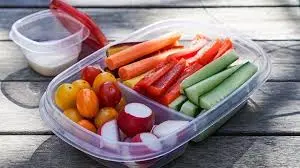
- Vegetables like cucumber, carrots, or cherry tomatoes
- Fruits such as apples, grapes, or watermelon
- Whole grains like oats or air-popped popcorn
Step 3: Include Protein
Protein helps you feel full longer. Low-calorie protein-rich snacks include:
- Greek yogurt
- Cottage cheese
- Boiled eggs
- Edamame
Step 4: Add Fiber
Fiber is another key ingredient for satiety. High-fiber snacks include:
- Fresh fruits and vegetables
- Nuts and seeds (in moderation)
- Whole-grain crackers
Step 5: Mind Your Portions
Even healthy snacks can add up if you eat too much. Use measuring cups or a food scale to control portions.
Step 6: Plan Ahead
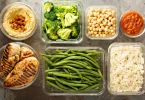
Keep your favorite low-calorie snacks on hand at work or home to avoid reaching for unhealthy alternatives. Preparing snack packs with veggies, fruit, or nuts can save time and prevent impulsive choices.
Step 7: Hydrate
Sometimes thirst is mistaken for hunger. Drinking water before snacking can help control unnecessary calorie intake.
Step 8: Mix and Match
Variety is important to prevent boredom. Combine different textures and flavors for a satisfying snack experience. For example:
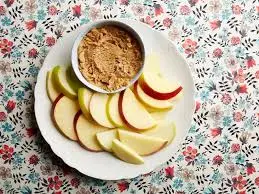
- Apple slices with peanut butter
- Carrot sticks with hummus
- Greek yogurt with berries
Benefits of Low Calorie Snacks
Choosing low-calorie snacks comes with multiple health and lifestyle benefits:
- Weight Control: Helps prevent overeating and promotes healthy weight management.
- Better Energy Levels: Provides sustained energy without sugar spikes.
- Enhanced Nutrition: Adds vitamins, minerals, protein, and fiber to your diet.
- Improved Digestion: High-fiber snacks aid in regular bowel movements.
- Reduced Cravings: Helps keep you satisfied and prevents binge eating.
- Heart Health: Many low-calorie snacks, like nuts and fruits, support cardiovascular health.
Disadvantages / Risks
Even healthy snacks can have downsides if not chosen wisely:
- Overeating Healthy Foods: Nuts and seeds are nutritious but high in calories if portions are ignored.
- Hidden Sugars: Some “healthy” snacks, like flavored yogurt or granola bars, may contain added sugars.
- Allergies: Nut-based snacks can trigger allergic reactions in some individuals.
- Digestive Issues: High-fiber snacks may cause bloating if consumed excessively.
Being aware of these risks ensures that your snacking remains beneficial rather than harmful.
Common Mistakes to Avoid
- Skipping Snacks Completely: This can lead to overeating later.
- Ignoring Portion Sizes: Even low-calorie snacks can add up if eaten in large quantities.
- Relying on Packaged “Low-Calorie” Foods: Many contain additives and hidden sugars.
- Not Including Protein or Fiber: Snacks without these can leave you hungry quickly.
- Eating Out of Boredom: Mindless snacking can undermine your diet goals.
- Not Planning Ahead: Lack of preparation often leads to unhealthy choices.
FAQs
1. What counts as a low-calorie snack?
A low-calorie snack usually contains 50–200 calories and provides essential nutrients. Examples include fruits, raw vegetables, nuts in moderation, and Greek yogurt.
2. Can low-calorie snacks help with weight loss?
Yes. Replacing high-calorie, processed snacks with low-calorie options reduces total calorie intake, supporting weight management and fat loss.
3. How often should I eat snacks?
It depends on your hunger and daily routine. Generally, 1–2 small snacks between meals can help maintain energy and prevent overeating.
4. Are fruits considered low-calorie snacks?
Most fruits are naturally low in calories and high in fiber, making them excellent snack options. Examples include berries, apples, oranges, and watermelon.
5. Can I snack at night on low-calorie foods?
Yes. Opt for light, healthy options like Greek yogurt, air-popped popcorn, or fresh fruit to avoid disrupting sleep and digestion.
6. Are nuts safe as low-calorie snacks?
Nuts are nutrient-dense but high in calories. Portion control is key. A small handful (about 1 ounce) is ideal.
7. Should I avoid packaged snacks completely?
Not necessarily. Some packaged snacks are low in calories and healthy, but always read labels to avoid hidden sugars, salts, and fats.
8. Can low-calorie snacks be filling?
Yes. Snacks high in protein and fiber, like yogurt with fruit or vegetables with hummus, can keep you full for hours.
Expert Tips & Bonus Points
- Combine Protein and Fiber: Pair fruits with nuts or vegetables with hummus for longer-lasting satiety.
- Keep Healthy Snacks Visible: Place snacks where you can easily see them to encourage healthy choices.
- Batch Prep Snacks: Wash and cut vegetables or portion nuts at the start of the week to save time.
- Choose Whole Foods: Minimize processed options for better nutrition.
- Experiment with Flavors: Use herbs, spices, or small amounts of sauces to make snacks enjoyable.
- Mindful Eating: Eat slowly and savor each bite to prevent overeating.
- Rotate Snacks: Keep your low-calorie snacks list diverse to avoid boredom and nutrient gaps.
Conclusion
A well-thought-out low calorie snacks list can be a game-changer for anyone aiming to improve their diet, maintain energy, and manage weight. By focusing on nutrient-dense foods, balancing protein and fiber, and controlling portions, snacking becomes both enjoyable and healthy.
Choosing the right snacks doesn’t mean giving up taste or variety. From fresh fruits and vegetables to yogurt, nuts, and whole-grain options, the possibilities are endless. Planning ahead, reading labels, and avoiding common pitfalls ensures your snacks support your health goals instead of hindering them.
Incorporating low-calorie snacks into your daily routine is not just a diet strategy; it’s a lifestyle change. With careful selection and mindful eating, you can satisfy cravings, stay energized, and enjoy food guilt-free. Start building your personalized low calorie snacks list today and discover how simple, tasty, and nourishing snacking can be.