
Introduction
Building a strong and healthy body does not always require expensive gym memberships or fancy equipment. In fact, muscle building exercises at home can be just as effective when done correctly and consistently. Many beginners believe they need machines, weights, or trainers to see results. However, your own body weight, proper technique, and smart planning are more than enough to start building muscle from the comfort of your home.
Muscle building exercises at home are especially helpful for people with busy schedules, limited budgets, or those who prefer privacy while working out. With the right exercises, you can target all major muscle groups, improve strength, and boost overall fitness. This approach also reduces travel time and allows you to stay consistent, which is one of the most important factors in muscle growth.
For beginners, home workouts feel less intimidating and easier to follow. Intermediate readers can also increase intensity using variations, tempo changes, and better control. Over time, these exercises help improve posture, balance, and daily performance. When combined with proper nutrition and rest, the results can be impressive.
This guide will walk you through everything you need to know about muscle building exercises at home. You will learn what they are, why they matter, how to perform them step by step, and how to avoid common mistakes. Whether you are just starting or looking to improve your routine, this article will give you a clear and practical path forward.
What Is Muscle Building Exercises at Home?
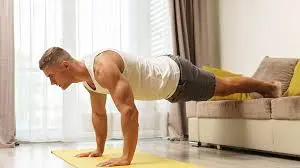
Muscle building exercises at home refer to physical movements performed in a home setting with the goal of increasing muscle strength and size. These exercises usually rely on body weight, household items, or minimal equipment. They focus on controlled movements that create tension in the muscles, which leads to growth over time.
Unlike gym workouts, home strength training emphasizes simplicity and flexibility. You can perform these exercises in small spaces and adjust them based on your fitness level. Examples include push-ups, squats, lunges, planks, and glute bridges. As you progress, you can add variations or slow down the movement to increase difficulty.
Muscle building exercises at home work by stressing the muscle fibers. When muscles recover, they grow stronger and slightly bigger. This process is called muscle adaptation. With regular practice, your body becomes more efficient, allowing you to perform daily tasks with less effort.
These exercises are suitable for beginners and intermediate fitness levels. They can be modified easily, making them safe and effective for long-term progress. With consistency, proper form, and patience, home workouts can deliver results similar to gym-based training.
Why Is Muscle Building Exercises at Home Important?
Muscle building exercises at home play a key role in overall health and fitness. Strong muscles support your joints, improve posture, and reduce the risk of injuries. They also help increase metabolism, which supports fat loss and weight management.
Another important reason is convenience. Home strength training removes barriers such as travel time, crowded gyms, and high costs. This makes it easier to stay consistent, which is essential for muscle growth. When workouts fit into your daily routine, you are more likely to stick with them.
Muscle building exercises at home also improve mental well-being. Regular exercise reduces stress, improves mood, and boosts confidence. Seeing physical progress from your own efforts can be very motivating.
For beginners, these exercises help build a strong foundation. Intermediate individuals can continue progressing by increasing repetitions, sets, or exercise difficulty. Overall, this approach promotes a balanced and sustainable fitness lifestyle that supports long-term health.
Detailed Step-by-Step Guide
Step 1: Prepare Your Body
Before starting muscle building exercises at home, warm up properly. A good warm-up increases blood flow and prepares your muscles for work.
Simple warm-up ideas include:
- Arm circles
- Light jogging in place
- Dynamic stretching
Spend at least five to ten minutes warming up.
Step 2: Focus on Full Body Exercises
Full body workouts are ideal for home strength training. They engage multiple muscle groups at once.
Key exercises include:
- Push-ups for chest, shoulders, and arms
- Squats for legs and glutes
- Planks for core strength
Start with two to three sets and manageable repetitions.
Step 3: Use Proper Form
Correct form is crucial for muscle growth and injury prevention. Move slowly and control each repetition. Focus on feeling the muscle work rather than rushing through the movement.
If needed, practice in front of a mirror to check posture.
Step 4: Increase Intensity Gradually
As your strength improves, increase the challenge. You can:
- Add more repetitions
- Increase sets
- Use advanced variations
This gradual overload helps muscles continue growing.
Step 5: Allow Recovery Time
Muscles grow during rest, not during exercise. Schedule rest days and get enough sleep. This step is often overlooked but is essential for results.
Benefits of Muscle Building Exercises at Home
- Improves overall strength and endurance
- Saves time and money
- Builds muscle without equipment
- Supports better posture and balance
- Reduces stress and improves mood
- Easy to adjust for all fitness levels
Disadvantages / Risks

- Limited resistance for advanced lifters
- Risk of poor form without guidance
- Requires self-discipline and consistency
- Progress may feel slower at first
Common Mistakes to Avoid
Many people make mistakes when doing muscle building exercises at home. One common error is skipping warm-ups. This increases the risk of injury and reduces performance.
Another mistake is focusing only on one muscle group. A balanced routine is important for overall strength. Poor form is also a major issue. Always prioritize technique over speed.
Finally, neglecting rest and nutrition can slow progress. Muscles need fuel and recovery to grow effectively.
FAQs
Can beginners really build muscle at home?
Yes, beginners can build muscle at home using bodyweight exercises. Consistency and proper form are key factors.
How often should I train at home?
Most people benefit from training three to five times per week. This allows enough stimulus and recovery time.
Do I need equipment for muscle building exercises at home?
No equipment is required to start. As you progress, simple items can add variety.
How long does it take to see results?
Visible changes usually appear after four to eight weeks with regular training and good nutrition.
Are home workouts safe?
Home workouts are safe when exercises are done with correct form and proper warm-up.
Can intermediate lifters benefit from home workouts?
Yes, intermediate lifters can use advanced variations and tempo changes to continue progressing.
Expert Tips & Bonus Points
Consistency matters more than intensity. Create a simple schedule you can follow long term. Focus on mind-muscle connection during each exercise.
Track your progress by noting repetitions and sets. Small improvements add up over time. Stay patient and trust the process.
Proper hydration and balanced meals support muscle recovery. Even simple lifestyle changes can improve results significantly.
Conclusion
Muscle building exercises at home offer a practical and effective way to improve strength, health, and confidence without relying on a gym. By using your body weight and following structured movements, you can target every major muscle group safely and efficiently. This approach is suitable for both beginners and intermediate individuals who want flexibility and control over their fitness routine.
The key to success lies in consistency, proper form, and gradual progression. When you focus on full body movements, allow time for recovery, and maintain a balanced lifestyle, muscle growth becomes a natural outcome. Home workouts also encourage discipline and self-awareness, helping you build a stronger connection with your body.
While there may be limitations compared to gym equipment, the benefits often outweigh the drawbacks. With creativity and dedication, you can continue challenging your muscles and achieving visible results. Remember that fitness is a long-term journey, not a quick fix.