

Introduction
Building muscle is not only about lifting heavy weights in the gym. What you eat plays an equally important role in how your body grows, recovers, and becomes stronger. A well-structured muscle gain diet plan helps you fuel workouts, repair muscle tissue, and support steady progress without unnecessary fat gain. For beginners and intermediate fitness enthusiasts, understanding nutrition can feel confusing at first. There are many opinions, myths, and complicated meal plans that make the process seem harder than it really is.
The truth is that a muscle gain diet plan does not need to be extreme or expensive. It focuses on balanced meals, proper timing, and consistency. When done correctly, it supports your training goals while keeping your energy levels high and your body healthy. Whether you are just starting your fitness journey or have some experience, learning the basics of muscle-building nutrition will give you better results over time.
In this guide, you will learn what a muscle gain diet plan is, why it matters, and how to follow it step by step. We will cover food choices, portion sizes, meal timing, and common mistakes to avoid. You will also find practical examples, benefits, possible risks, and expert tips that make the process easier. By the end of this article, you will have a clear and simple understanding of how to eat for muscle growth in a smart and sustainable way.
What is a Muscle Gain Diet Plan?

A muscle gain diet plan is a structured eating approach designed to help your body build and repair muscle tissue. It focuses on providing enough calories, protein, carbohydrates, and healthy fats to support muscle growth. Unlike random eating, this plan aligns your food intake with your training and recovery needs.
The main goal is to create a slight calorie surplus. This means eating more calories than your body burns each day. That extra energy allows your muscles to grow after strength training. However, the surplus should be controlled to avoid excess fat gain.
A proper muscle gain diet plan also emphasizes nutrient quality. Whole foods like lean proteins, complex carbohydrates, healthy fats, fruits, and vegetables form the foundation. Hydration and meal timing are also important parts of the plan.
In simple terms, this diet is about eating the right foods, in the right amounts, at the right times, to support muscle building in a healthy way.
Why is a Muscle Gain Diet Plan Important?
A muscle gain diet plan is important because training alone is not enough to build muscle. Your muscles need fuel and nutrients to grow stronger after workouts. Without proper nutrition, progress becomes slow and inconsistent.
Here are a few reasons why it matters:
First, it supports muscle recovery. Protein and carbohydrates help repair muscle fibers damaged during exercise. Second, it improves workout performance. Proper nutrition gives you the energy to train harder and longer. Third, it helps control body composition. A planned diet reduces the risk of gaining unwanted fat.
Additionally, a muscle gain diet plan supports overall health. Balanced meals provide vitamins, minerals, and fiber that keep your body functioning well. Over time, this leads to better strength, endurance, and confidence.
Detailed Step-by-Step Guide
Step 1: Calculate Your Calorie Needs
The first step in a muscle gain diet plan is knowing how many calories your body needs. Start by estimating your maintenance calories, which is the number of calories you need to maintain your current weight. Then, add a small surplus of about 250 to 500 calories per day.
This surplus supports muscle growth without excessive fat gain. Beginners may respond well to a smaller surplus, while intermediate lifters may need slightly more.
Step 2: Focus on Protein Intake
Protein is essential for muscle building. Aim for about 1.6 to 2.2 grams of protein per kilogram of body weight daily. Spread protein intake evenly across meals to support continuous muscle repair.
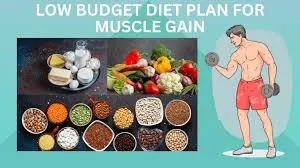
Good protein sources include chicken, fish, eggs, dairy, beans, lentils, and tofu. A muscle building diet should include protein in every main meal and snack.
Step 3: Choose Quality Carbohydrates
Carbohydrates provide energy for workouts and help with recovery. Focus on complex carbs like rice, oats, potatoes, whole grains, fruits, and vegetables. These foods provide steady energy and important nutrients.
Avoid relying too much on sugary or processed carbs. They can lead to energy crashes and unnecessary fat gain.
Step 4: Include Healthy Fats
Healthy fats support hormone production, including hormones linked to muscle growth. Include sources like nuts, seeds, olive oil, avocados, and fatty fish.
Fats are calorie-dense, so portion control is important. A balanced bulking diet plan includes fats without overdoing them.
Step 5: Plan Meal Timing
Meal timing can improve results. Eat a balanced meal with protein and carbs before workouts to fuel performance. After training, focus on protein and carbs to support recovery.
Eating every three to four hours helps maintain energy levels and provides a steady supply of nutrients to muscles.
Step 6: Stay Hydrated
Water is often overlooked but plays a key role in muscle function and recovery. Drink water throughout the day, especially before and after workouts.
Proper hydration improves strength, focus, and digestion, making your muscle gain diet plan more effective.
Step 7: Adjust and Track Progress
Track your body weight, strength, and how you feel. If you are not gaining muscle after a few weeks, slightly increase calories. If you are gaining too much fat, reduce the surplus.
Consistency and small adjustments are key to long-term success.
Benefits of a Muscle Gain Diet Plan
- Supports steady and sustainable muscle growth
- Improves workout performance and energy levels
- Enhances muscle recovery and reduces soreness
- Helps maintain a healthy body composition
- Provides structure and consistency to eating habits
- Supports overall health and nutrient intake
Disadvantages / Risks
- Possible fat gain if calories are too high
- Requires planning and meal preparation
- Can be costly if food choices are not planned
- Risk of nutrient imbalance if diet lacks variety
- Overeating may cause digestive discomfort
Common Mistakes to Avoid
Many people make simple mistakes when following a muscle gain diet plan. One common error is eating too many calories too quickly. This often leads to fat gain instead of lean muscle.
Another mistake is neglecting protein intake. Without enough protein, muscle repair and growth suffer. Skipping meals or relying on processed foods also limits progress.
Some people focus only on supplements and ignore whole foods. Supplements can help, but they should never replace a balanced diet. Lastly, inconsistency is a major issue. Results come from steady habits over time, not short-term effort.
FAQs
How long does it take to see results from a muscle gain diet plan?
Most beginners notice strength improvements within a few weeks. Visible muscle growth usually appears after eight to twelve weeks with consistent training and proper nutrition.
Can I build muscle without gaining fat?
Yes, it is possible with a controlled calorie surplus, quality food choices, and regular strength training. Tracking progress helps maintain balance.
Do I need supplements for muscle gain?
Supplements are optional. Whole foods should come first. Protein powders can be convenient but are not mandatory.
How many meals should I eat per day?
There is no fixed number. Most people do well with three main meals and two snacks. Consistency matters more than frequency.
Is a muscle gain diet plan different for men and women?
The principles are the same. Calorie needs and portion sizes may differ, but protein, carbs, and fats remain important for both.
Can vegetarians follow a muscle gain diet plan?
Yes, vegetarians can build muscle using plant-based protein sources like beans, lentils, tofu, dairy, and whole grains.
Expert Tips & Bonus Points
Focus on food quality before quantity. Prioritize sleep, as recovery is essential for muscle growth. Prepare meals in advance to stay consistent. Listen to your body and make gradual changes. Patience and discipline bring the best results.
Conclusion
A muscle gain diet plan is a powerful tool for anyone looking to build strength and improve their physique. It provides your body with the nutrients and energy needed to support muscle growth, recovery, and performance. For beginners and intermediate lifters, understanding the basics of nutrition removes confusion and builds confidence.
The key to success lies in balance and consistency. Eating a controlled calorie surplus, focusing on protein, choosing quality carbohydrates, and including healthy fats all work together to support progress. Proper hydration, meal timing, and regular adjustments help fine-tune your results over time.
While there are some risks, such as fat gain or poor food choices, these can be avoided with careful planning and awareness. Avoid common mistakes, track your progress, and stay patient. Muscle growth is a gradual process that rewards steady effort.